By Steven Reinberg HealthDay Reporter Latest Diet & Weight Management News ( courtecy;- web md ) pl . not click unwanted ad.
Diabetes Tips: Managing and Living With Diabetes
 By Steven Reinberg
HealthDay Reporter
Latest Diet & Weight Management News
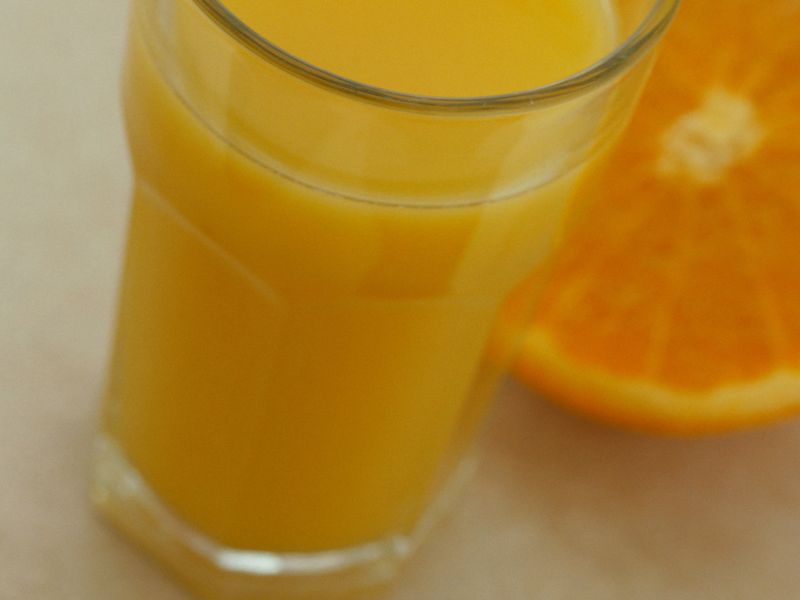
FRIDAY, May 17, 2019 (HealthDay News) -- Most folks know that sugary drinks aren't healthy, but a new study finds fruit juices are not much better.
In fact, consuming them regularly may help shorten your life, researchers say.
"Older adults who drink more sugary beverages, which include fruit juice as well as sodas and other sugar-sweetened beverages, may be at risk of dying earlier," said study author Jean Welsh. She is an associate professor at Emory University School of Medicine in Atlanta.
"Efforts to decrease consumption of sodas and other sugar-sweetened beverages should also include fruit juices, and these efforts need to include adults as well as children," Welsh said.
For the study, Welsh and her colleagues collected data on 13,440 men and women, average age 64, who were part of a large stroke study from 2003 to 2007. Among these participants, 71% were obese or overweight.
The participants were asked how many sugar-sweetened drinks they consumed. Over an average of six years, 1,168 of the participants died.
The researchers found that those who drank the most sugar-sweetened beverages -- including 100% fruit juice -- had higher odds of dying during the study, compared with those who drank the least of these.
Moreover, each additional 12-ounce drink increased the risk even more.
The report was published online May 17 in JAMA Network Open.
In the United States, about half of the population consumes at least one sugar-sweetened drink per day, said Marta Guasch-Ferre, a research scientist in the department of nutrition at Harvard T.H. Chan School of Public Health, in Boston.
"Most people are aware that sodas and other sugar-sweetened beverages -- including soft drinks, fruit punch and energy drinks -- are associated with weight gain and adverse health effects. But fruit juices are still widely perceived by many as a healthier option," Guasch-Ferre said.
Evidence has shown that sugar-sweetened drinks are tied to an increased risk for diabetes, heart disease and obesity, she added. The evidence is less clear for fruit juice.
Whole juice contains some nutrients, and that may be beneficial for health, but they also contain relatively high amounts of sugar from natural sources, Guasch-Ferre explained.
Although fruit juices have been associated with an increased risk of diabetes and heart disease, whole fruits have not, she said.
Current recommendations suggest drinking no more than 4 to 6 ounces of juice per day, Guasch-Ferre said.
"Although fruit juices are not as harmful as sugar-sweetened beverages, consumption should be moderated in both children and adults, especially for individuals who attempt to control their body weight," said Guasch-Ferre, who co-authored an accompanying journal editorial.
Fruit-based smoothies are commonly seen as healthier options. However, their ingredients can vary substantially and there is limited research on their health effects, she said. In addition, smoothies are usually very high in calories and so aren't recommended as daily beverages. Vegetable juice is a lower-calorie alternative to fruit juice, but may contain a lot of salt.
"The current evidence suggests that water should be the preferred beverage, and the intake of other beverages such as tea or coffee, without sugar and creamers, should be chosen in place of sugar-sweetened drinks," Guasch-Ferre advised.

Copyright © 2019 HealthDay. All rights reserved.
SOURCES: Jean Welsh, R.N., M.P.H., Ph.D., associate professor, Emory University School of Medicine, Atlanta; Marta Guasch-Ferre, Ph.D., research scientist, department of nutrition, Harvard T.H. Chan School of Public Health, Boston; May 17, 2019, JAMA Network Open, online
Health Solutions From Our Sponsors
CONTINUE SCROLLING FOR RELATED SLIDESHOW
Diabetes Diet: 11 Low-Sugar Drink Ideas
Smart Swaps

Ideally, we should all be drinking more water. It provides hydration free of sugar, carbs, and calories. If water is too plain for your taste, there are other ways to quench your thirst.
Be wary of “healthy drinks” though; many of them are surprisingly high in sugar and calories. Many of the beverages you crave can be tailored to fit easily into a diabetes-friendly lifestyle.
1. Chocolate Milk

Chocolate milk isn’t just for kids. It’s rich in protein and calcium that’s great for adults, too. Low-fat chocolate milk is a great beverage choice to help you recover from a workout. Store-bought chocolate milk is typically laden with sugar, but you can make a DIY version at home that’s compatible with your diabetes eating plan. Take a glass of 1% milk and add 3 teaspoons of cocoa and 2 tablespoons of no-calorie sweetener. Stir until well mixed and enjoy!
2. Sugar-Free Sweet Tea

Sweetened tea is satisfying on a hot summer’s day, but it packs a sugar and calorie punch that can derail your diabetes dietary goals. You can enjoy this friendlier low-sugar option: Crush your favorite fruit (berries work well for this) and add it to steeping tea. Strain the mixture and chill in the fridge. Add no-calorie sweetener, if you wish. Pour over ice and enjoy!
3. Orange Juice

What would brunch be without orange juice? Unfortunately, traditional versions of this sunny drink are far from diabetes friendly, packing about 26 grams of sugar per cup. Instead, reach for light versions of this tasty favorite. Aim for one that has 15 calories, 3 grams of carbs, and 100% of your daily vitamin C per serving. Or just peel and enjoy an orange to satisfy your craving. You can also add a splash of orange juice to seltzer water.
4. Chai Latte

What’s fragrant, spicy, sweet, and creamy all at the same time? A traditional chai latte packs about 33 grams of carbs per serving, but you can enjoy the same taste and satisfaction with this lighter homemade version that has less than 1 gram of carbs. Heat 1 cup of unsweetened almond milk and steep one or two chai tea bags in it. Add cinnamon and black pepper to taste. Pour into a mug and enjoy this warming treat.
5. Lemonade

What’s summer without lemonade? The traditional version has 120 calories and 29 grams of sugar per serving. Instead, try mixing some water with fresh lemon juice. Add no-calorie sweetener and pour over ice. Now you can enjoy this summertime favorite without the downside.
6. Hot Chocolate

It’s the drink that makes you want to curl up next to a fire on a cold winter’s night. Steamy hot chocolate topped with a dollop of whipped cream satisfies on so many levels, but coffeehouse versions are often sugar bombs. A medium hot chocolate with low-fat milk delivers about 60 grams of carbs. The good news is, you don’t have to go without! You can make your own, just as satisfying, low-sugar option. Warm 1 cup of low-fat milk in a saucepan and add 2 squares of 70% dark chocolate. Add 1 teaspoon of vanilla and a dash of cinnamon. This decadent drink has just 23 grams of carbs.
7. Apple Cider

The drink that defines autumn would have to be apple cider. Unfortunately, this sweet, spicy drink is loaded with just as much sugar (26 grams per cup) as its counterpart, apple juice. To satisfy your apple cider craving, have a light apple juice cocktail instead to save yourself half the amount of carbs and calories.
8. Energy Drinks

An average energy drink contains between 72 milligrams to 150 milligrams of caffeine and up to 30 grams of sugar per serving. Many energy drinks contain 2 to 3 servings per container, so the caffeine and sugar you get from these beverages can really add up. Many experts agree that most people should limit their total daily caffeine intake to no more than 400 milligrams per day. Children, adolescents, women of reproductive age, and those with certain medical conditions should limit caffeine intake even further. If you must have an energy drink, choose a sugar-free version and keep an eye on your caffeine intake.
9. Fruit Smoothie

Fruit smoothies can be deceptively unhealthy and loaded with carbs and sugar, especially when they are made with high sugar fruits like mangoes. One popular chain restaurant offers a 12-ounce mango smoothie that has 58.5 grams of carbs. That’s equivalent to the amount of carbs found in a sandwich and an apple combined. Satisfy your smoothie craving with a homemade version containing ½ cup of strawberries, ½ cup of blueberries, and ½ cup of bananas. Blend the mixture with ice and you have a smoothie that has approximately half the carbs found in traditional versions.
10. Diet Ginger Ale

Ginger ale has a surprising 60 grams of carbs per 20-ounce bottle. You can enjoy the same taste, sugar free and carb free, by finely grating a bit of fresh ginger into some plain seltzer water. Add a little no-calorie sweetener. Mix, pour into a glass, and drink up!
11. Café Mocha

Café mochas are a beautiful marriage between coffee and chocolate, but the kind you get in coffeehouses may contain more than 300 calories and 40 grams of carbs. You can save substantially on calories and sugar by making your own version. The recipe calls for 1 cup of brewed coffee, 2 tablespoons of low-fat milk, 1 tablespoon of cocoa powder, and no-calorie sweetener to taste. Pour in a mug and enjoy this chocolaty treat guilt free!
Health Solutions From Our Sponsors
CONTINUE SCROLLING FOR RELATED SLIDESHOW
Pictures of 10 Muscle-Building Exercises for Diabetes
Why Do Strength Training?

Because you have diabetes, you know how important it is to control your blood sugar. Strength training helps. Simple moves done regularly can prompt your muscles to absorb more glucose. You'll also burn more calories, day and night, as you get stronger. Your mood, cholesterol levels, and blood pressure may improve, too.
Let's Get Started!

Most people with diabetes can work out safely. Ask your doctor first to be sure. You should aim for strength training at least twice a week. Also do heart-pumping cardio exercise -- like jogging, swimming, and biking -- either 5 days a week for 30 minutes each time or 3 days for 50 minutes each. Stretch a bit afterward to become more flexible. Want a solid routine or tips on technique? Check with a certified trainer.
Your Strength Training Routine

Get ready to learn 10 at-home exercises that work your major muscle groups. For each one, begin with one set where you do the move 8-15 times, or "reps." Rest for at least 30 seconds before you do the next exercise. Start with resistance bands or light dumbbells, so you can focus on lifting and lowering the weights with smooth, controlled movements. When you can do two or three sets easily, switch to slightly heavier weights.
Upper Body: Standing Biceps Curl

Hold a dumbbell in each hand and stand with your palms facing your thighs. Squeeze your biceps as you lift the weights. On the way up, your forearm should rotate so your palms end up facing your shoulders at the top. Lower the weights slowly to the starting position. Try to avoid using momentum on the way down. Control the motion from start to finish.
Upper Body: Triceps Extension

Stand with one foot slightly in front of the other, and hold a single dumbbell with both hands wrapped around the handle. Slowly raise the dumbbell overhead. Straighten your elbows as you raise the weight toward the ceiling. Slowly bend your elbows and lower the weight behind your head. Keep your upper arms still and vertical to the floor. Keep your shoulder blades down and back as you repeat.
Upper Body: Shoulder Press

You can do this move while you sit or stand. Hold a dumbbell in each hand and raise them until they are level with your ears. Your elbows should be bent at a 90-degree angle. This is your starting position. Now push the weights up, until your arms are fully extended. Slowly lower to the starting position.
Upper Body: Chest Press

Lie on your back with your knees bent and your feet flat on the floor. Hold a dumbbell in each hand at chest level and raise them above your chest until your elbows are straight but not locked. Pause for a second and then slowly lower the weights toward your chest.
Upper Body: Seated Row

Sit on the floor with your feet together and your knees bent. Hold a dumbbell or the end of a resistance band in each hand with your arms straight in front of you, palms facing each other. Keeping your back straight, bend the elbows as you pull the weights or bands to your sides. Keep your elbows close to your body and slowly straighten your arms.
Core: Classic Crunch

Lie on your back, feet flat on the floor, knees bent. Put your hands behind your head. Pull your shoulder blades together and your elbows back. The elbows should aim sideways and stay there throughout the exercise. Squeeze your abs and curl your shoulders and upper back off the floor. Lower down slowly. Keep your lower back pressed to the floor at all times.
Core: Plank

Lie face-down with your elbows directly under your shoulders, palms down and your toes tucked under. From this starting position, tighten your abs, glutes, and back muscles as you lift your torso and thighs off the floor. You'll be supported by your toes and forearms. Hold this position for 5 seconds or more. Keep the back straight as you slowly lower to the starting position.
Lower Body: Squat

Stand with your feet shoulder-width apart. Bend your knees and lower yourself as if you were sitting in an imaginary chair. Your thighs should be parallel to the ground and your knees should not push forward past your toes. Lean forward slightly as you stand back up. You can also do squats while leaning against a stability ball placed between your back and a wall.
Lower Body: Lunges

Stand with your legs shoulder-width apart and step your right leg back, bending the knee toward the floor without allowing it to touch. Your left thigh should be nearly parallel with the floor. Press down on the left heel and bring the right leg back to a neutral stance. Do 8-12 reps and then change sides, stepping back on the left leg. To make the lunges more challenging, hold a dumbbell in each hand.
Lower Body: Hamstring Curl

Hold onto the back of a chair. Flex your left foot and bend the knee, bringing your heel toward your butt. Keep your right leg slightly bent. Lower your left foot back to the floor. Do 8-12 reps and then repeat with the right leg. To make this exercise harder, ask your doctor if it's safe for you to wear ankle weights.
Strength Training and Blood Sugar

If you take certain diabetes medications, you may need to take precautions to avoid a dangerous drop in your blood sugar levels (hypoglycemia). Ask your doctor if you should check your levels or eat a snack before working out. Keep snacks or glucose tablets with you when you exercise in case you get symptoms of low blood sugar, such as shaking or weakness.
Strength Training and Insulin

You may need to adjust the dose before and after exercise. Do an easy workout to see how it affects your blood sugar. Check your levels before, during, and after exercise. If you work out within an hour or two of a meal, you may need to lower your meal-time insulin dose. Talk with your doctor, who can also tell you if you need to adjust doses of any other diabetes medicines when you work out.
Who Should Not Lift Weights?

Weight-lifting is not recommended for people with diabetes-related eye problems (such as retinopathy) that aren’t being treated. Likewise, intense cardio workouts are not a good idea with untreated retinopathy. Both can raise pressure in the eyes. If you have nerve damage in your feet, you may need to exercise while you sit or lie on the floor, or swim. Your doctor can tell you what’s OK for you.
Health Solutions From Our Sponsors
CONTINUE SCROLLING FOR RELATED SLIDESHOW
Diabetes Tips: Managing and Living With Diabetes
Eat the Right Carbs

People with diabetes know that carb-counting is important. That’s because carbohydrates (carbs) have a big impact on your blood sugar. But does it matter what carbs you’re counting? Absolutely. Not all carbs are equal. While you want to keep an eye on your total carb intake, it’s important to remember that some carbs are better for your overall health.
Carbs can be one of three things: sugars, starches, or fibers. Sugar can be found naturally, for example in milk and fruit, but it’s the added sugar you really want to avoid. Added sugar is what you’ll find in a cookie for example, but it’s often snuck into processed foods to preserve them and make them taste better. So it’s wise to steer clear of processed foods. Try to get most of your carbs from fiber and load up on the healthy carbs found in high-fiber foods like whole grain products and vegetables.
Lose Weight

Losing weight can help you manage type 2 diabetes. But doing so can be frustrating. Many people who lose weight try for a few weeks or a month, get discouraged, and resume their old habits. Here are some tips for a weight loss regimen you can stick with:
- Set reasonable goals: Crash diets don’t work in the long term. Try losing half a pound to two pounds every week for realistic weight loss.
- Keep healthy food in the house: When snack cravings start, manage them with healthy snacks. Healthier snacks include fresh fruits and veggies, as well as whole-grain snacks.
- Are there certain unhealthy foods you eat regularly? Throw them out and replace them with foods that provide better nutritional value.
- Control your portions: a lot of people don’t realize how much they’re eating until they measure. Keep an eye on how big your portions are, and measure them against the recommended serving of a given food.
- Do you exercise? Getting 30 minutes of activity on most days is a good way to shed weight and keep it off once you lose it.
Get the Right Amount of Sleep

Americans get less sleep than they used to, and the sleep they do get is more fragmented. That’s bad news for people with diabetes. Not getting 6.5 to 8.5 hours of sleep has been shown to increase your blood glucose level.
There’s a little bit of a catch, though. If you’re one of those people who gets more than 8.5 hours of sleep, you could be at greater risk, too. So getting just the right amount of sleep is key. To regulate your sleep patterns, try these tips:
- Avoid naps, especially ones in the afternoon.
- If you can’t sleep after about 10 minutes in bed, get up and do a quiet activity with no screens involved—keep your TV and phone off.
- Wake up at the same time every day—not just during the week. Over time this will train your body to fall asleep at the right time.
- Develop a sleep ritual. Brush your teeth, wash your face, and do any other relaxing hygiene in the same order, in the same way. This helps prepare your mind for bedtime.
Stay Active

People with diabetes need to be especially vigilant when it comes to getting physical throughout the day. If you’re like most Americans, you probably spend long periods of time without moving around much, but that can make it tough to manage your blood sugar.
Instead, the American Diabetes Association recommends a little physical activity every 30 minutes for people who sit throughout the day. That means office workers with diabetes should take special care to get a few minutes of activity in throughout their workday. When you’re sedentary, especially when watching TV, your diabetes and obesity risks rise. How can you stay active every half hour? First off, the ADA distinguishes “physical activity” from “exercise.” You don’t need a full-blown workout to get a little more active throughout the day. Here are some tips:
- Try some leg-lifts right at your desk or couch. Hold them out until you can feel the burn—about 30 seconds. Take a short break and repeat. Do this for 3 minutes.
- Get up and walk around. Taking a 5 minute walk every 30 minutes adds up, and can help you stay mentally focused throughout the day.
- Activities that keep you flexible count, too. Try some overhead arm stretches while you sit to get your blood pumping.
Monitor Regularly

If you have diabetes, you should be familiar with regular blood testing. This is the most important tool in your arsenal for monitoring your blood sugar levels. Individual target ranges for blood glucose vary, but the American Diabetes Association has released recommendations for adults who are not pregnant: Aim for an A1C of 7% (eAG 154 mg/dl). Prior to a meal, aim for 80-130 mg/dl, and less than 180 mg/dl 1-2 hours after the start of a meal.
Who Should Test Daily?
New recommendations state that all adults over age 18 with type 1 diabetes should test daily. (Older recommendations suggested starting at age 25). Self-monitoring for type 2 diabetes also has benefits, but the benefits aren’t nearly so clear if you don’t take insulin. In that case you should check with your doctor.
Another new recommendation from the ADA involves people with high blood pressure (hypertension). If you have this and diabetes, you’ll need to do more than just monitor at home. Monitor your blood sugar levels at the office as well as at home, which may give you needed information about how you can improve the way you take your medication.
Shed Stress

People in the modern world face stress from various sources. It can be caused by a big test, a demanding boss, or a traffic jam, among many other sources. Even if your stress is long-term, it primes your body for an immediate reaction—this is the so-called fight-or-flight response. That may be great in nature when you need to escape from a wild beast, but it doesn’t work as well if your source of stress is caring for an aging parent. In addition to other health problems, stress can change your blood glucose.
The relationship between stress and diabetes is complicated. People with type 2 diabetes see their blood sugar levels shoot up while stressed. People with type 1 diabetes may see their blood sugar rise under stress, or they may see it dip. Physical stress raises your blood sugar levels higher than mental stress no matter what type of diabetes you have.
Coping With Stress
For your continued health, you need to get good at dealing with stress—especially if you have diabetes. Fortunately there are many relaxing ways to accomplish this:
- Meditate: Meditation has been shown to short-circuit the body’s fight-or-flight response.
- Get more active: Exercise and other forms of physical activity can relieve mental stress.
- Focus on breathing: Sit or lie comfortably without crossing your legs or arms. Breath in deeply, then exhale as hard as you can. Repeat this, but focus on relaxing your muscles as you breath out the second time. Keep this going for 5-20 minutes at least once a day for better relaxation.
Watch Out for Salt

People with type 2 diabetes are at a high risk of developing heart disease, a condition responsible for 1 in 4 deaths in the U.S. each year. Consuming too much sodium leaves you at even greater risk, because sodium can increase your blood pressure and also dampen the effectiveness of blood pressure medicine.
Even so, you don’t want to get too little sodium in your diet either. Some diabetes experts warn that you risk additional health problems by eating too little salt. One study found that type 2 patients with the lowest sodium actually stood the highest risk of an early death.
The key to eating a healthy amount of sodium is to reduce your reliance on processed foods. Canned, frozen, and boxed foods tend to be too high in sodium, which is used as a preservative. So protect your heart by switching to fresh foods and keep your sodium levels in check. Also when cooking at home, choose spices that don’t have any added salt, and use these in place of your usual salt regimen.
Check for Heart Disease

The no. 1 cause of death and disease for diabetes patients is cardiovascular disease, also known as heart disease. One study found that more than 85% of diabetes patients also have high blood pressure, a precursor of heart disease. If you, like the majority of diabetes sufferers, have hypertension, it’s important that you check your blood pressure regularly at home. Here are some tips for doing this correctly:
- Choose a home blood pressure monitor that cuffs around your upper arm. These take readings closer to your heart, and are thereby considered more reliable.
- If you don’t want to hassle with inflating and measuring your blood pressure yourself, choose an automatic monitor. Accurate models can be had for less than $30, and may be covered by insurance.
- A few times a week, take your blood pressure two or three times in the morning and again at night. Try to relax while you do—anxiety can raise your blood pressure.
- Choose a time that is at least 30 minutes after exercising and using caffeine, alcohol, or tobacco. These can throw off your reading.
- Sit comfortably with both feet on the ground. Rest your back against your chair. Put your arm on a flat surface like a table. Sit quietly for 5 minutes, then begin your reading.
- Keep these numbers in mind: a normal reading is 120/80. Prehypertension is considered 120-139/80-89. High blood pressure is anything over 140/90.
- Keep track of your readings. Write them down or log them in your smartphone, and bring your readings to your doctor on your next visit. Your doctor can offer blood pressure-lowering tips and get you on a medication that can help further control your hypertension.
Bandage Up

The cell growth response to wounds is diminished for people with diabetes. This is one reason they are more prone to foot ulcers, a major cause of hospitalization for this population. The American Diabetes Association recommends treating cuts immediately with clean bandages. Major burns, cuts, and infections are serious enough for those with diabetes to require seeing a doctor right away. Scientists are working toward a cure for this serious health problem on various fronts, from tissue engineering research to studies on stem cells.
Put Out the Smoke

Everyone knows smoking is bad for your health. But that’s especially true for people with diabetes. Doctors have known for a long time that smokers with diabetes stand a greater risk of developing heart disease, kidney disease, poor circulation, vision problems, and nerve damage. Now they think they know why.
A chemistry professor studied human blood samples and found something surprising. Just adding nicotine to the blood samples sent the blood glucose level skyward. As it turns out, nicotine (found in nicotine gums and patches too, not just cigarettes) raises a person’s chances of developing diabetes by 30% to 40%. And if you already have diabetes, using nicotine makes it harder to control your symptoms.
Nicotine is notoriously addictive, and quitting can be tough. Your chances are better if you ask for help. Tell your doctor you want to get serious about quitting, and ask for suggestions and resources to support you in your journey to a healthier you.
মন্তব্যসমূহ
একটি মন্তব্য পোস্ট করুন