If you've lost interest in sex, can't get aroused enough, or have trouble reaching orgasm, one of these issues could be to blame.
Health Conditions That Can Harm Your Sex
Life
1/16
Stay Connected
Being intimate with your
partner is one of life’s greatest pleasures. But a long-term health problem can
take the joy out of sex. You may not want to have it, can’t get aroused enough,
or have trouble reaching orgasm. Knowing what the problem is could be the first
step to finding solutions.
1/16
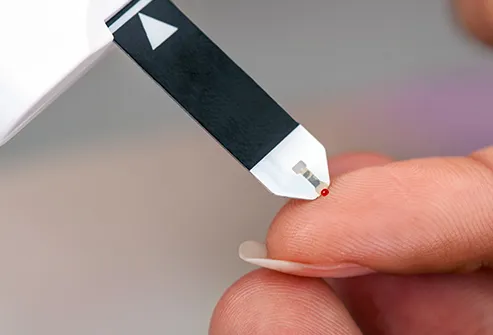
Diabetes
High blood sugar damages
blood vessels and nerves over time. This can hinder blood flow to your sex
organs. Men can have erection and ejaculation problems. Women may have loss of
desire, vaginal dryness, painful intercourse, and orgasm troubles. If you
control your diabetes, stay active, and eat right, it can help keep sexual and
other problems at bay. If they keep happening, tell your doctor about it.
1/16
Heart Disease
As with diabetes, the
problem is blood vessel damage that can lead to sexual problems. And some meds,
such as those for high blood pressure, can cause issues as well. Lifestyle
changes -- your diet and fitness, especially -- can make a big difference. If
you’ve had a heart attack and worry that sex could trigger another one, ask
your doctor about when you can be sexually active again.
1/16
Depression
Your mind and body go
hand in hand. One of the symptoms of depression can be a drop in your sex
drive. Tell your doctor or a therapist if you’ve been feeling down for a while.
Treatment -- which may include talking with a counselor, making lifestyle changes,
and medicine -- can help. Some antidepressants can dim desire and lead to
erection problems in men. Lowering the dose or switching meds may help.
1/16
Cancer
Sex may be the last
thing on your mind when you have cancer. But when you are ready to be intimate,
the disease and some of the treatments can make that harder to do. Chemo may
make you too tired or sick for sex. You might have pain from the cancer. Hormone
therapies may affect your sex drive. And some surgeries may affect your body
image. Connect in other ways until you’re ready for sex.
1/16
Chronic Pain
It’s hard to think about
sex, let alone do it, if you have pain that won’t quit. If your medications
don’t control your pain well, your doctor may need to change the dose or switch
meds. Or the medicine may be the problem. Some pain meds have sexual side effects
because they affect your nervous system. Either way, talk to your doctor.
1/16
Arthritis
Sore joints and other
arthritis symptoms can cramp your sex life. But you can still be intimate and
comfortable if you think ahead:
·
Plan sex for the time of the day when you
normally feel your best.
·
Take your pain medicine at least 30
minutes beforehand.
·
Support your joints with pillows or rolled
sheets.
·
Use massage to soothe sore muscles and
joints and as foreplay.
·
Nap before sex if tiredness is a problem.
1/16
Low Testosterone (Low T)
Men who don’t make
enough of the male hormone testosterone may find that their sex drive is stuck
in neutral. Sometimes, it’s due to a problem in brain areas that tell the
testes to make testosterone. Type 2 diabetes and liver or kidney disease also
make it more likely. Your doctor may give you a blood test to check for these.
Lifestyle changes and taking care of any other conditions you have can help.
Some men may need testosterone replacement.
1/16
Menopause
This natural time in a
woman’s life is when estrogen levels drop and periods have stopped. Falling
estrogen can cause vaginal drying and thinning. That can make sex hurt. Vaginal
moisturizers and lubricants can help. Low-dose estrogen you put inside your
vagina reverses dryness and thinning. If you have bad hot flashes too, hormone
replacement therapy may be an option. Talk with your doctor about the pros and
cons.
1/16
HIV and AIDS
HIV affects your body’s
ability to make hormones. This includes testosterone and estrogen, which can
lead to problems with sex and desire. Medications that keep the virus in
check can hamper your sex life, too. Protease inhibitors are linked to erectile
dysfunction in men. Your doctor may suggest counseling or other treatments.
1/16
Multiple Sclerosis (MS)
MS affects your nervous
system. Sexual desire begins in the brain. It sends messages to the rest
of your body via nerves that run down the spinal cord. If MS damages these
paths, it can affect movement, arousal, and orgasm. It also can make you tired
and give you muscle spasms. But there may be treatments that can help, so tell
your doctor what’s going on.
1/16
Parkinson’s Disease
Because it affects
movement, Parkinson’s can make sex tough. It can also bring lack of desire,
pain, and orgasm problems. Some of the treatments can cause the opposite
problem. Meds that raise levels of a brain chemical called dopamine can make it
harder to control your impulses, which for some people can cause problems
including sex addiction. Your doctor may need to adjust your dose.
1/16
Loss of Bladder Control
This is more common in
seniors, especially women. Extra pressure on your belly during sex may make you
leak urine. You may avoid intimacy. Try changing positions and going to the
bathroom before sex. Talk to your doctor, as treatment usually can help.
1/16
Inflammatory Bowel Disease (IBD)
If you have Crohn’s
disease or colitis, the digestive symptoms (such as needing to go to the
bathroom a lot), pain, and fatigue can all get in the way of sex. It’s
important to take your medicines as directed, even when your symptoms aren’t
bad, so that you can continue to feel your best. Some people need intestinal
surgery to make a way for their stool to collect in a bag worn outside of the
body. Support groups or therapy can help you adjust to these changes.
1/16
PTSD (Posttraumatic Stress Disorder)
PTSD can happen if
you’ve had or seen a scary event like an assault, a bad car wreck, or combat.
Symptoms include flashbacks, which feel like you’re reliving the trauma. If you
have PTSD, you may feel fear instead of pleasure. A mental health expert with
experience in PTSD can help. Talk therapy and medications may treat it
successfully.
U
This tool does not provide medical advice
| 


মন্তব্যসমূহ
একটি মন্তব্য পোস্ট করুন