- লিঙ্ক পান
- X
- ইমেল
- অন্যান্য অ্যাপ
10 Clear Signs You’re Having a Panic Attack
 Jennifer Lea Reynolds
Many people use the term “panic attack” loosely, declaring they’ve had a panic attack when they’re really just experiencing minor stress. But a panic attack is much more acute—it’s a sudden episode of sheer terror so intense that it can actually cause physical reactions.
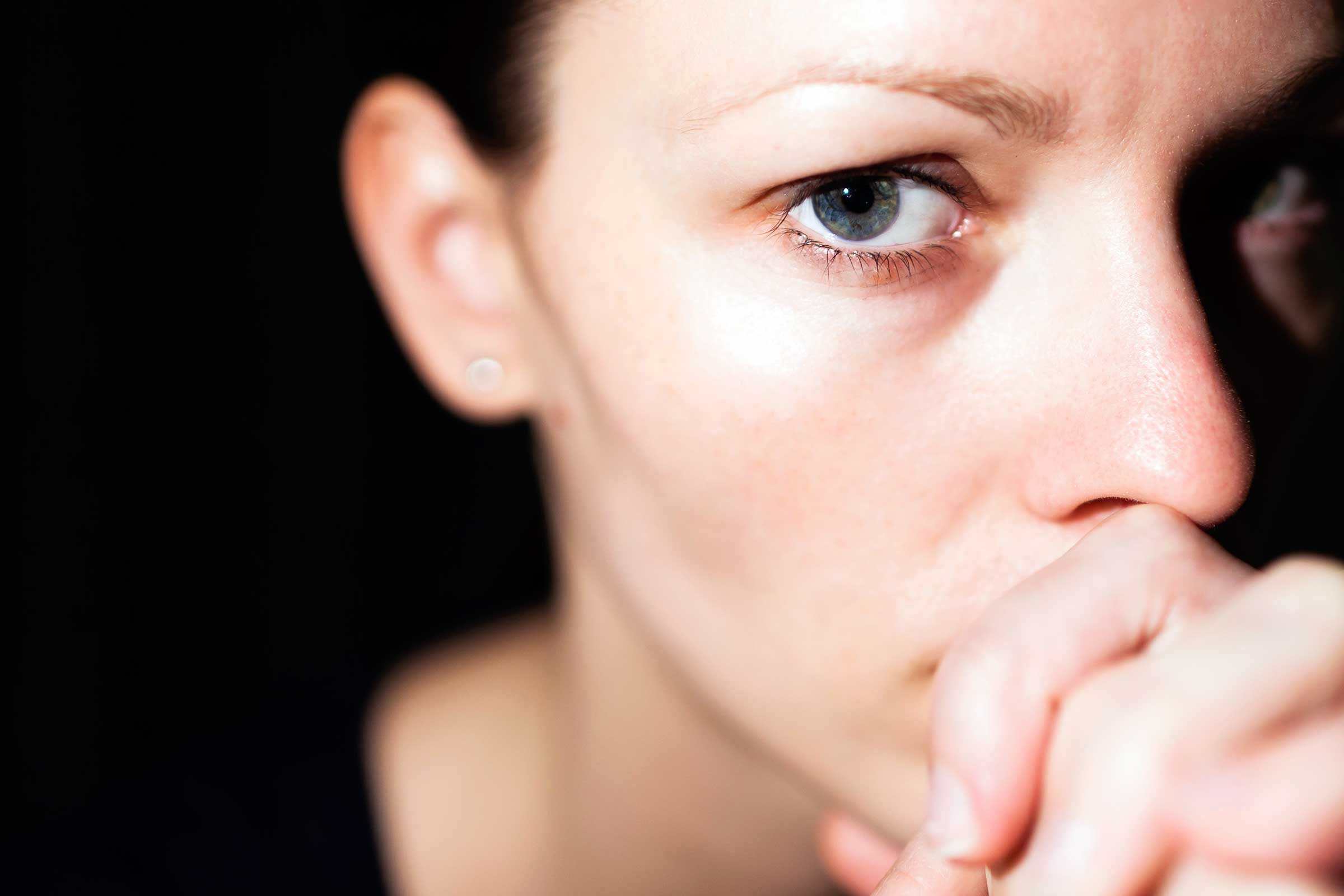
A deep fear strikes out of the blue
 iStock/kieferpix
Panic attacks can come without warning, triggering a sudden feeling of overwhelming dread. It’s more than feeling nervous, anxious, or stressed out about something. According to the American Psychological Association, the surge that comes over you is “intense” and “comes without any obvious reason,” though often it’s linked to feeling physically trapped or agoraphobic. If your panic attacks are recurring, you can go on to develop panic disorder, which affects some six million American adults, more women than men, according to WebMD. Learn the everyday habits that can trigger a panic attack.
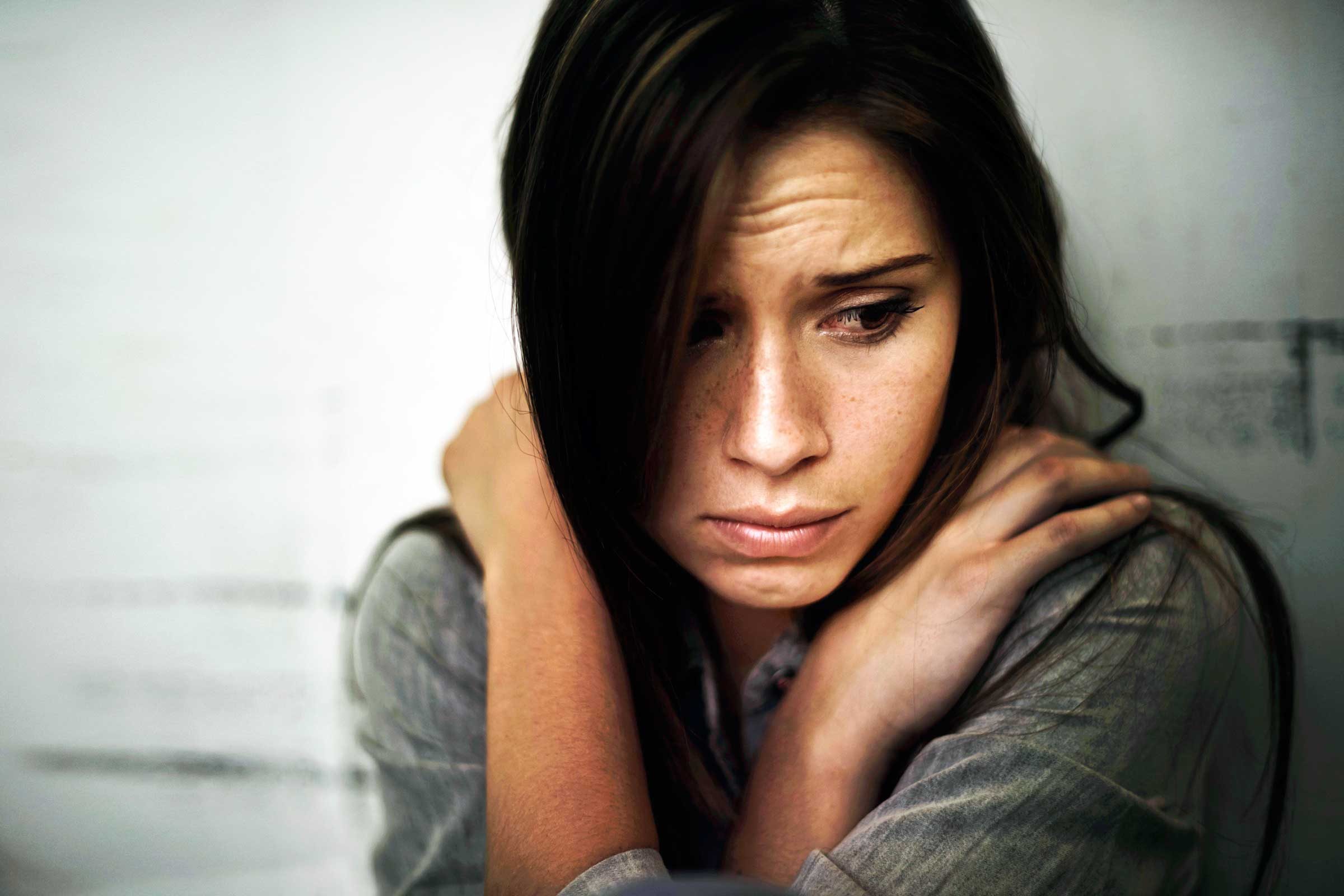
You feel like you’re losing your mind
 iStock/Yuri_Arcurs
Because of the intensity and sudden onset of the feelings, in addition to the physical panic attack symptoms that may arise at the same time, it’s not unusual to develop a “fear of going crazy” during a panic attack, Todd Farchione, PhD, of the Boston University Center for Anxiety & Related Disorders, told U.S. News & World Report. One patient elaborated for U.S. News & World Report, saying that the mind/body disconnect about what’s happening can be confusing. “I didn’t know what was going on,” the patient said. “Your body doesn’t know what to do… Half your brain is telling you to run, and the other half is telling you to stay. You’re in kind of a deadlock.”
Your heart races
 iStock/Jan-Otto
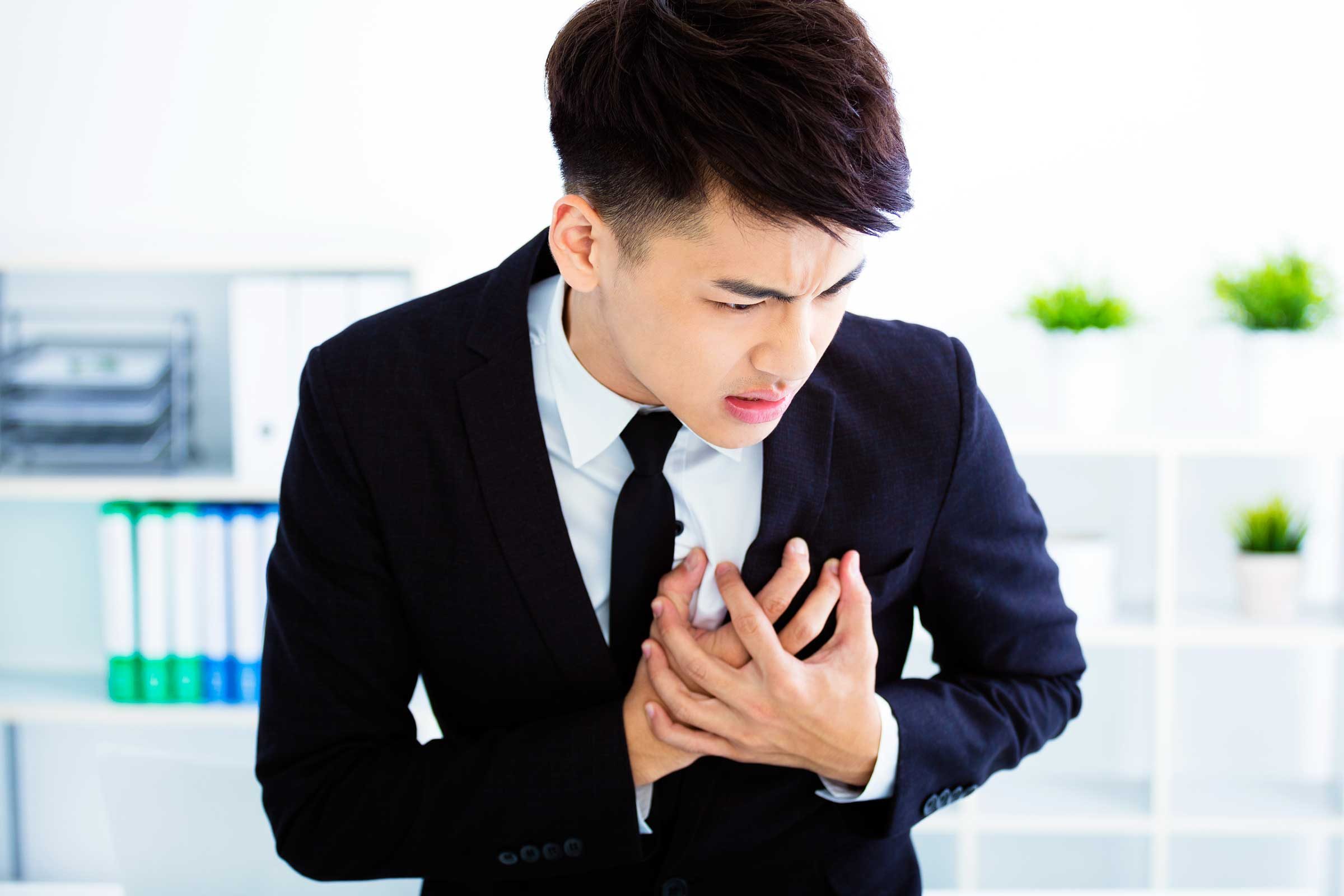
When you have a panic attack, your body responds as though it’s under an actual physical threat, escalating to a state of severe discomfort within minutes. A massive surge of nervous signals activates the amygdala, the brain’s evolutionary fight or flight center, causing symptoms that include a rapid, pounding heart rate that can make you feel like you’re having a heart attack. Find out tips for managing anxiety and panic disorder.
You fear for your life
 iStock/Tomwang112
The fear pulsing through you may lead you to feel as though you’re dying or out of control. But what’s really happening, as Farchione explains, is that your body is flooded with adrenaline, due to the perception of imminent danger. It’s gearing up to do whatever’s needed to protect itself, whether that means punching and kicking or running as fast as you can. If you can remember that this is simply your natural, physiological responses at work, it may lessen the impact of the fear. Check out the 4 steps to help you calm down from a panic attack––and two you should avoid.
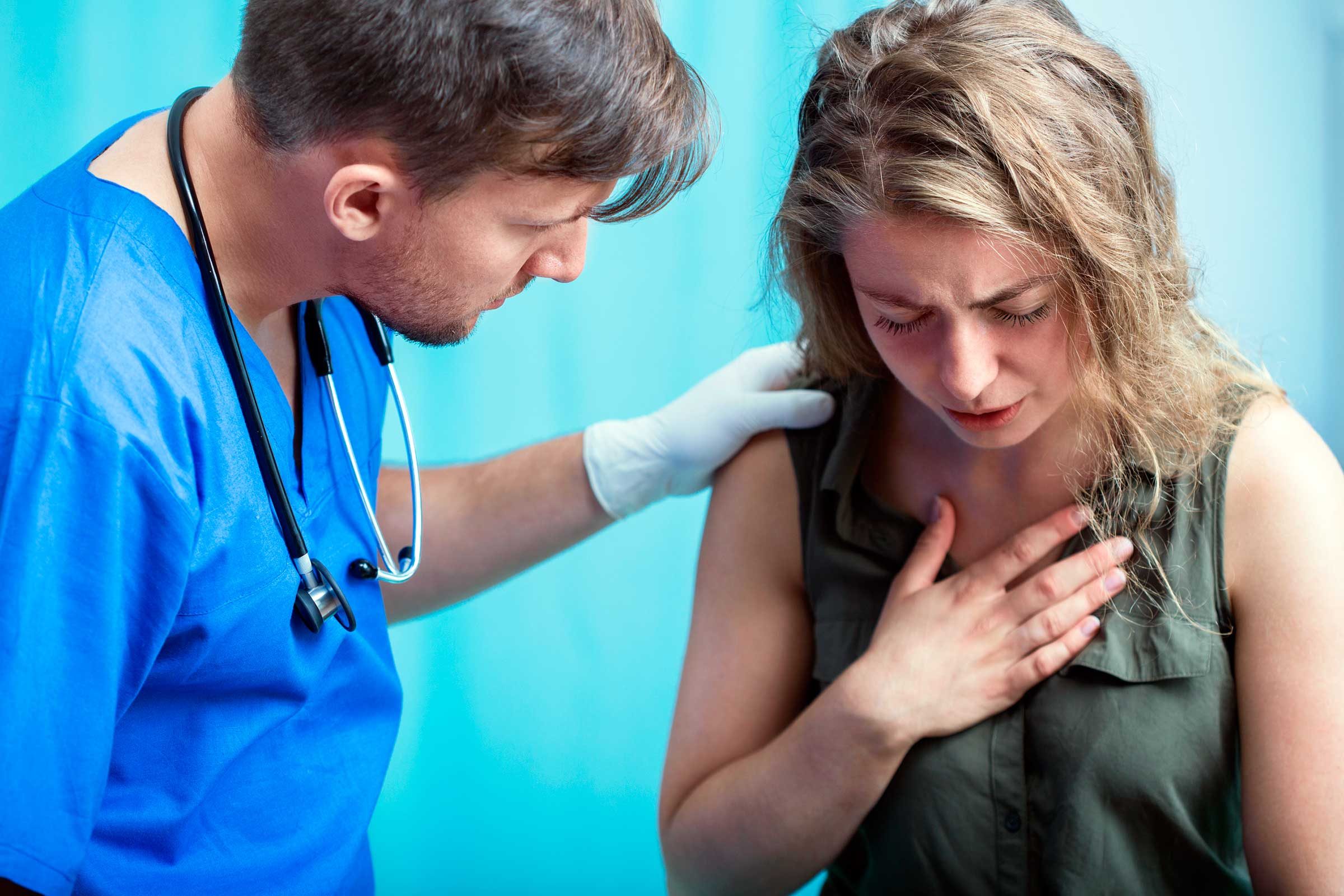
You may feel short of breath
 iStock/KatarzynaBialasiewicz
Having “difficulty breathing” and “feeling as though you can’t get enough air” are common panic attack symptoms when you’re experiencing a panic attack, according to the American Psychological Association. It happens when heightened anxiety causes you to breathe too quickly and hyperventilate. Learning some mindful breathing techniques may help prevent anxious feelings from escalating into a full-scale panic attack. These magic phrases can instantly calm your anxiety.
You’re like a deer in the headlights
 iStock/AdShooter
You may find yourself overcome with a fear so strong that it practically renders you immobile. The American Psychological Association describes this as a “terror that is almost paralyzing.”
The room seems to be spinning
 iStock/Courtney Keating
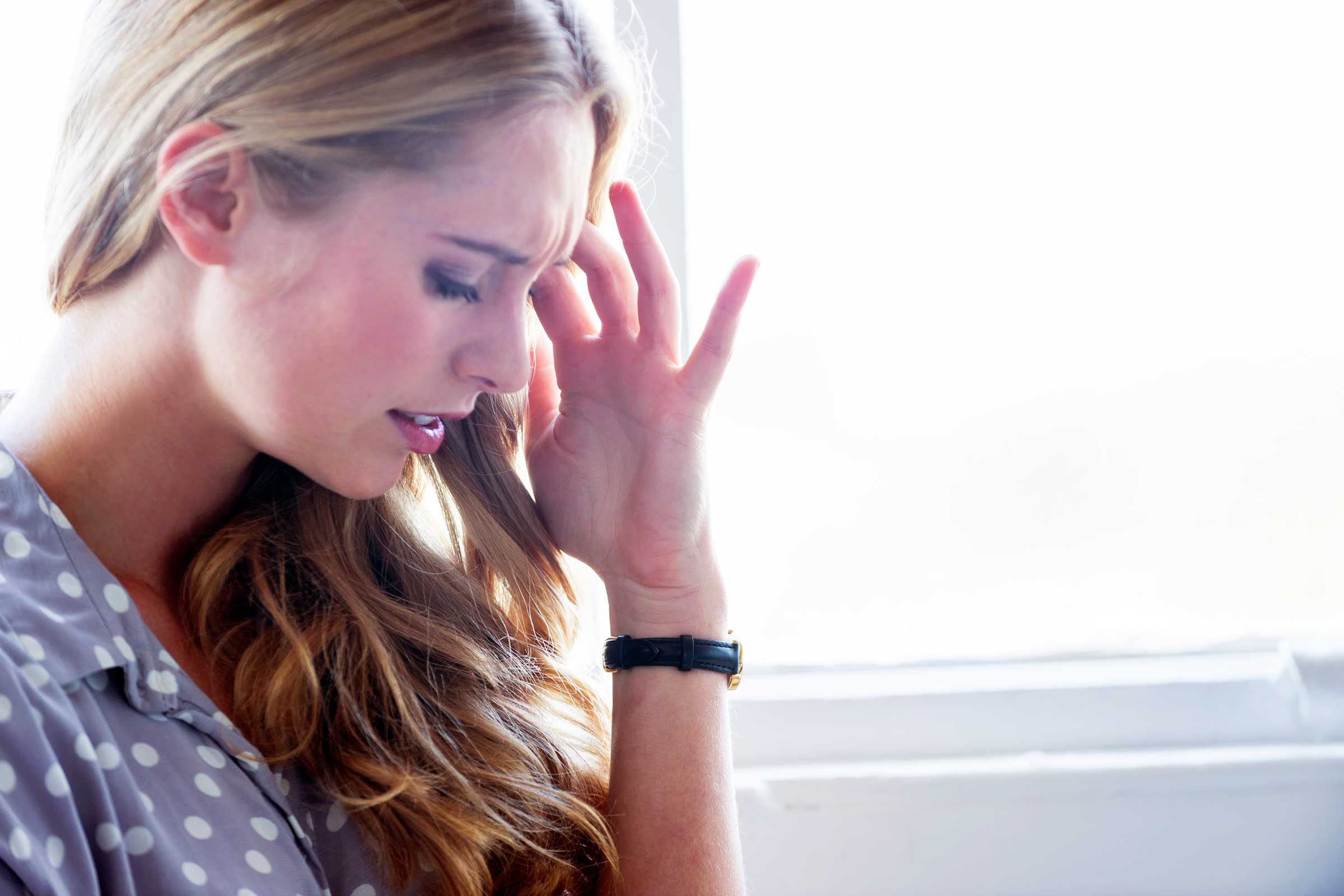
Common panic attack symptoms include feeling weak, dizzy, and faint, likely because blood is rushing away from your brain toward your limbs, so you can fight or flee as needed. Don’t be surprised if nausea enters the picture too; the American Psychological Association says that this sensation may accompany dizziness during a panic attack.
You sweat
 iStock/Minerva Studio
Sweating is a natural reaction to heightened anxiety. You may also start trembling or shaking while you’re sweating. Here are other natural anxiety remedies to try.
You’re hot and you’re cold
 iStock/Minerva Studio
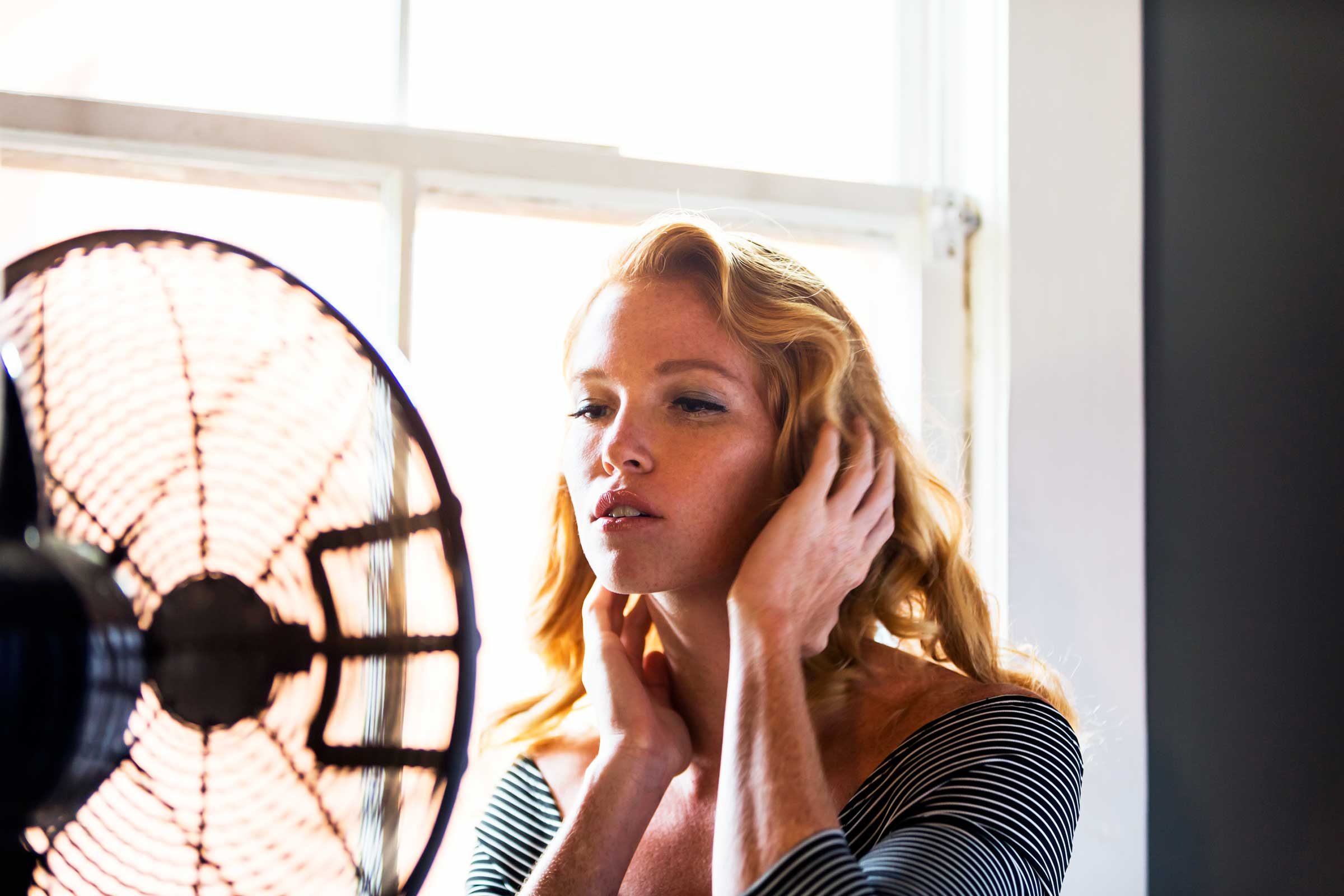
During a panic attack, it’s not uncommon to feel suddenly flushed with heat or have chills. While a panic attack lasts only about five to ten minutes, you can feel some of the effects for hours. Here are some things that people living with anxiety can understand.
You’ve undergone a lot of stress
 iStock/g-stockstudio
Although there are variations on who gets panic attacks and why, one thing that’s clear is that severe stress plays a role. “The cause is very often stress that’s occurred over the past six to eight months,” Reid Wilson, PhD, an associate clinical professor of psychiatry at the University of North Carolina School of Medicine, told U.S. News & World Report. “Often the stress might have to do with loss—a sense that there’s a task or challenge in front of me that I perceive as large, and I perceive my skills as small.” If you’ve faced a great deal of stress on a fairly ongoing basis, and you experience most of the panic attack symptoms we’ve mentioned, it’s highly likely you’re having panic attacks. Here’s what crisis counselors want people to know about anxiety.
Sign Up for Our Newsletters
Get articles sent right to your inbox
Enjoy the BEST stories, advice & jokes!

Coping strategies for a panic attack
 iStock/sturti
14 Things Only People with Anxiety Will Understand
Charlotte GraingerWhile many refuse to speak out about it, living with anxiety is an immensely difficult feat. The truth of the matter is that few non-sufferers comprehend how this illness affects people. In that light, here are just 14 things that people suffering from anxiety know to be true.
Anxiety does not define a person
 iStock/martin-dm
This nugget of truth is perhaps one of the hardest things to explain to people who don’t suffer from anxiety. Contrary to what some people may think, an anxious person is so much more than their mental state. The truth of the matter is that anxiety is not something that defines a person; it’s a mental health disorder and ought to be treated as such. These are some signs you might have an anxiety disorder.
The effects of anxiety can be physical
 iStock/g-stockstudio
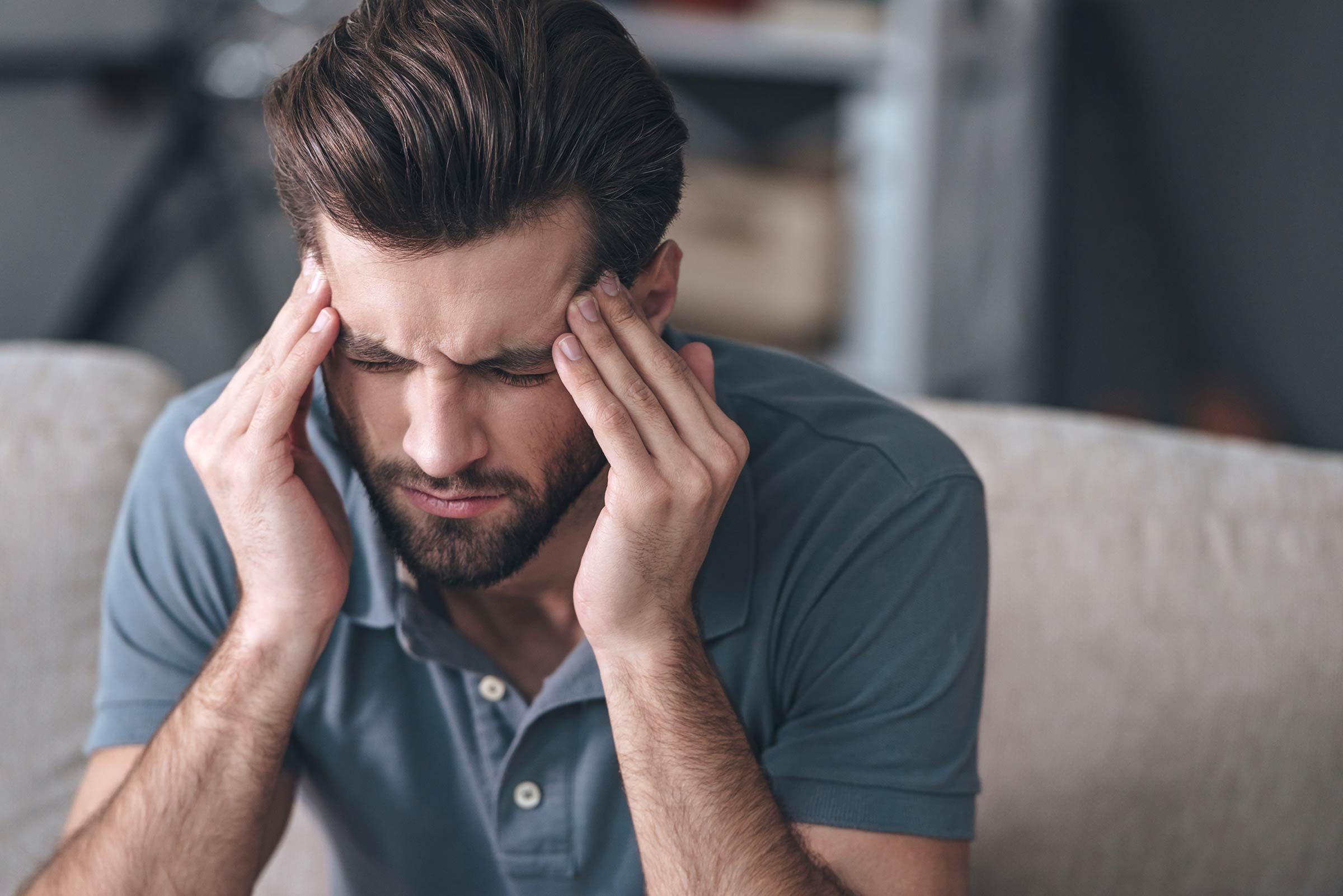
Let’s be clear: Even though anxiety is a mental health disorder, it’s not just something that just affects your mind. Anxious feelings can manifest physically—sometimes severely. For example, someone suffering from anxiety may get uncontrollable panic attacks, headaches, dizziness, and an irregular heartbeat. To ease anxiety before these symptoms strike, try these natural remedies for anxiety symptoms.
Tens of millions of adults suffer from anxiety in America
 iStock/g-stockstudio
In case you’re thinking that anxiety is this small-time thing that only affects a few people in the country, think again. There are a whopping 40 million U.S. adults suffering from anxiety, according to the National Institute of Mental Health. Yet since there still tends to be a stigma associated with the condition, even despite the huge number of people with anxiety, it can be harrowing to admit that you’re a sufferer.
In fact, it’s the most common mental illness in drink three cups of chamomile tea a day when you’re feeling anxious
 iStock/Thinkstock
Why: Chamomile contains two chemicals that promote relaxation: apigenin and luteolin. A study at the University of Pennsylvania Medical Center found that patients with generalized anxiety disorder who took chamomile supplements for eight weeks had a significant decrease in anxiety symptoms compared to patients who were given a placebo, proving that those supplements work as natural remedies for anxiety. Make sure you know these tips for understanding and managing anxiety.
Try to get between 1 and 3 grams of omega-3s a day
 iStockphoto/Thinkstock
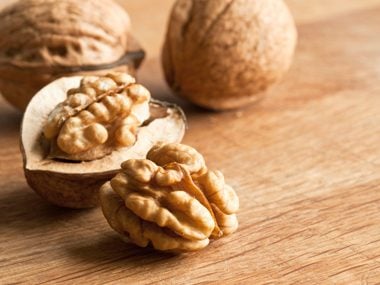
Why: There is some evidence that omega-3 fatty acids may ease symptoms of anxiety disorders and lift your mood by lowering levels of stress chemicals such as adrenaline and cortisol in the body. Canned fatty fish, such as tuna and salmon, walnuts, and flaxseeds are all great sources of omega-3 fatty acids. An Israeli study found that students given fish oil supplements as natural remedies for anxiety had less test anxiety as measured by their eating and sleeping habits, cortisol levels, and mental states.
Breathe in lavender
 iStockphoto/Thinkstock
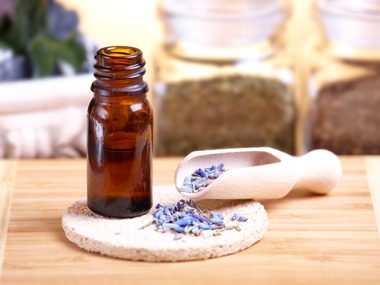
Why: One study found that people who received a massage with lavender oil were more upbeat and had less anxiety than people who had a lavender-free massage. Another found lavender massage can even lower systolic pressure, the top blood pressure number that’s associated with stress. Try putting a few drops of lavender essential oil on your pillow or in your bath, or add a few drops to a cup of boiling water and inhale for a quick calm-me-down. You can even dab a few drops right on your skin—it’s one of the few essential oils that can be applied directly. The scent of vanilla has also been shown to alleviate symptoms of anxiety. In a study done at the Memorial Sloan-Kettering Cancer Center, patients undergoing MRIs who breathed vanilla-scented air had 63 percent less anxiety than those who breathed unscented air. Only people living with anxiety will understand these 14 things.
Add L-lysine to your diet
 iStock/Thinkstock
Why: L-lysine is an amino acid and one of the building blocks of your brain’s chemical messengers called neurotransmitters. Studies have shown that people taking L-lysine supplements as natural remedies for anxiety had reduced symptoms of anxiety and reduced levels of stress hormones. L-lysine is commonly found in meat, fish, and beans, and is also sold as an oral supplement.
Try to get outside in natural sunlight for 15 minutes a day
 Jupiterimages/Thinkstock
Why: This is the best way to naturally increase your vitamin D levels, which can decrease symptoms of anxiety disorders and depression. A short 15-minute break will not only take your mind of stress but also let you reap the benefits of outdoor activity. And the greener the better; one Japanese study found that people who walked through a forest for 20 minutes had lower stress hormone levels after their walk than those who took a comparable walk in an urban area. If you’re stuck in an urban area, look for parks or quiet tree-lined streets to take a stroll.
Studies show 21 minutes is all it takes for exercise to reliably reduce symptoms of anxiety

Why: Exercise will not only make you feel better about yourself but will flood your body with feel-good endorphins. Some researchers even believe that increasing your body heat, a natural result of exercise, may alter neural circuits controlling cognitive function and mood, including those that affect the neurotransmitter serotonin. Researchers believe this response can boost your mood, increase relaxation, and alleviate symptoms of anxiety disorders. These are the silent signs that could mean you have an anxiety disorder.
Take a hot bath with Epsom salts
 iStock/Thinkstock
Why: A soothing hot bath is always calming, and raising your body heat may help regulate mood and anxiety. For added benefits, stir in some Epsom salts. The magnesium sulfate in the salts has been shown to calm anxiety and lower blood pressure. You can also try adding lavender or vanilla essential oils to your bathwater to reap the benefits of these calming scents.
Cut out (or down) caffeine
 iStock/Thinkstock
Why: Caffeine boosts your energy, and can make you jittery and anxious. If you can’t go cold turkey, try reducing by a cup a day and see if you notice any decrease in your anxiety symptoms. You can also try switching to a drink with less caffeine and more health benefits, such as green tea. Be aware of other sources of caffeine that may be in your diet such as soda, chocolate, tea, and some over-the-counter medications like Excedrin or Midol.
Examine your diet, and watch for:
- Caffeine, alcohol, and added sugars, which have all been shown to increase anxiety.
- Deficiencies in magnesium, vitamin B12, and zinc have been linked to symptoms of anxiety disorders. Vegans and vegetarians in particular should watch their B12 intake, as the vitamin is only found in animal products.
- Studies link an unhappy gut with an unhappy mind, so avoid eating difficult to digest foods like processed meals, foods high in saturated fats, and fried foods.
- Finally, don’t let yourself become so hungry that your blood sugar drops, which can lead to an anxiety attack. Here’s everything you need to know about coping with anxiety disorders.
Eat these foods to help provide anxiety relief
 iStock/Thinkstock
- Blueberries and peaches contain nutrients that relieve stress and have a calming effect.
- Whole grains are rich in magnesium and tryptophan, an amino acid that your body converts to serotonin which is known to calm and improve your mood.
- Oats also increase serotonin production and are high in fiber, which helps prevent blood sugar spikes that affect mood.
- Avocados, eggs, milk, and meat are all packed with B vitamins that can help prevent anxiety.
- Foods that help regulate and lower the stress hormone cortisol include foods rich in vitamin C, like oranges, omega-3 fatty acids, and magnesium-rich foods like spinach and other dark leafy greens. Indulge every once in a while in dark chocolate, which also helps lower cortisol. Watch out for these weird things that make you feel anxious.
America
 iStock/kali9
Many people believe that depression is the most common mental illness in this country. Not so. Forty million adults suffer from anxiety, which makes up for 18 percent of the general population. That means there are more people suffering from anxiety than any other mental problem in America.
Just because a fear is irrational doesn’t mean it’s not real
 iStock/CasarsaGuru
Much of the time, what people with anxiety worry about when they are suffering is something entirely irrational. Just because there is technically “no need” to stress about a certain thing, that doesn’t make the fear any less real. There’s nothing more frustrating than being in the midst of a crippling panic, and someone explaining to you how very ludicrous your fears are. Shockingly, this tidbit of information does not help at all; if anything, it hinders. People with anxiety should be aware of the everyday habits that could bring on a panic attack.
Panic attacks are completely overwhelming
 iStock/aldomurillo
While we’re on the subject of panic attacks, let’s talk about how they actually feel. Of course, everyone experiences these episodes in different ways, but there are some symptoms that every sufferer will recognize all too clearly. The surge of awful dread and fear comes over you out of nowhere. Suddenly, you’re completely gripped by the sense that all is not well; something truly terrible is about to happen. You can barely breathe, you feel hot, your heart rate quickens, and you want to leave the place that you are. It physically hurts and you feel you have no control. And this barely scratches the surface of what it feels like to have anxiety.
If you have anxiety, you may also have depression
 iStock/Highwaystarz Photography
Many people who suffer from anxiety are also likely to suffer from depression. Scientists have found a biological link between the two mental illnesses, according to a study by the University of Western Ontario. That means that people currently living with anxiety may also have undiagnosed depression as well. If you think you could be one of those people, learn the 8 warning signs you might be depressed.
The most common time for anxiety attacks is 9 p.m.
 iStock/milos kreckovic
Here’s a bizarre little fact, which perfectly illustrates how anxiety is biological rather than merely mental. The most common time that teens, in particular, report suffering from anxiety is at 9 p.m. That is according to a report from the Crisis Text Line. The information is based on how many texts the line gets throughout the day. Of course, there could be many reasons why people with anxiety suffer the most at this time, but one explanation is that this is when certain chemicals are inactive in the brain. Learn the steps that can help you calm down from a panic attack.
No, you can’t just “get over it”
 iStock/KatarzynaBialasiewicz
As an anxiety sufferer, one of the most infuriating things you can hear is that you ought to simply “get over” your illness. The challenging thing about living with anxiety is the fact that many people refuse to acknowledge it as a legitimate illness. Here are some more things you should never, ever say to people with anxiety.
Attacks can come out of the blue
 iStock/Mixmike
Many sufferers have so-called anxiety triggers, which often come before the onset of an attack. That’s not to say that panic attacks have any rhyme or reason to them, though. In reality, attacks can come from nowhere; it’s simply not possible to predict when or how they will rear their heads. In a sense, that’s what makes suffering from this illness so difficult.
Sign Up for Our Newsletters
Get articles sent right to your inbox
Enjoy the BEST stories, advice & jokes!
Not everyone with anxiety gets treatment
 iStock/ljubaphoto
The number of people getting regular treatment for their anxiety is shockingly low when you consider the fact that it’s the most common mental illness in the U.S. In reality, only about a third of people suffering get the treatment they so desperately need, according to the Anxiety and Depression Association of America. The sad truth, then, is that two-thirds of sufferers are living under the shadow of this illness alone. If you suspect you’re suffering from anxiety, it’s crucial that you see a medical professional.
It’s not just a state of mind
 iStock/monkeybusinessimages
The greatest and most problematic misconception about anxiety is that it’s merely a state of mind; something that the sufferer can somehow control if they really wanted to. That idea is damaging simply because it places the blame of the illness on the shoulders of the sufferer. Instead, anxiety is something that you can learn to manage, but never fully control on your own.
There are ways of managing it
 iStock/ljubaphoto
That being said, there are a few ways that you can manage anxiety. If you know what it feels like to have anxiety already, it’s essential that you get the help you need. Each individual needs a different level of care, and your doctor will be able to help you determine the best course of action. People should not have to carry on living with anxiety without the help and support they deserve. For starters, get a look at these phrases that can calm your anxiety and help you regain control.
Sometimes, it’s the stigma that hurts the most
 iStock/vm
The stigma of struggling with mental health issues is often what hurts and hinders the recovery process the most. There are many people with anxiety out there who genuinely feel powerless over their illness since they don’t want to actually admit they’re a sufferer. It shouldn’t be that way, and it doesn’t have to be. As the solution so often is, the answer is education. For more advice, you can visit adaa.org. Get started with the 9 things everyone should know about anxiety, according to crisis counselors.
If you’re having recurring panic attacks, seek professional guidance, ideally from a mental health practitioner who can offer cognitive behavior therapy. The American Psychological Association says that experts trained in cognitive behavior therapy can help you change your way of thinking so that you view potential trigger situations more positively, understand your fears, and ultimately face them. In some instances, relaxation techniques or anti-anxiety medications may be recommended. In the meantime, brush up on the ways naturally calm people avoid toxic stress in the first place.
- লিঙ্ক পান
- X
- ইমেল
- অন্যান্য অ্যাপ
মন্তব্যসমূহ
একটি মন্তব্য পোস্ট করুন