15 Science-Backed Signs You Could Live to Be 100 ( courtecy;-reader’s digest )BY ALYSSA JUNG AND MEGHAN JONES Here’s how to become one of the 72,000 centenarians in America today.
- লিঙ্ক পান
- X
- ইমেল
- অন্যান্য অ্যাপ
( some arror;- last tropic , then 1st and lastly 2nde Articles )
and ;-
10 Signs You’re an Ambivert (Hint: You Probably Are)
 CLAIRE BENOIST FOR READER'S DIGEST
 ISTOCK/LILECHKA75
 ISTOCK/TEMPURA
 ISTOCK/LAURI PATTERSON
 ISTOCK/MBBIRDY
 ISTOCK/CENTRAL IT ALLIANCE
 ISTOCK/VGAJIC
 ISTOCK/SVETLANA BRAUN
 ISTOCK/MEDIAPHOTOS
 ISTOCK/MILAN MARJANOVIC
 HALFPOINT/SHUTTERSTOCK
 SLAWOMIR.GAWRYLUK/SHUTTERSTOCK
 BRENT HOFACKER/SHUTTERSTOCK
 VGSTOCKSTUDIO/SHUTTERSTOCK
 AVDEYUKPHOTO/SHUTTERSTOCK
and ;-
If These 15 Statements Sound Like You, You Could Live to Be 100
BY ALYSSA JUNG AND MEGHAN JONES
There are & more informatiom of ;-
( last articles )
10 Signs You’re an Ambivert (Hint: You Probably Are)
Not totally sure where you fall on the personality spectrum? Here are some key traits that suggest you might be smack in the middle, AKA, an ambivert.
You relate to the characteristics of both an extrovert and an introvert
BY JENN SINRICH
 ISTOCK/NATALIAMILLSWhile most of us are more familiar with the opposite ends of the personality spectrum, introvert and extrovert, we're actually more likely to identify with the in-between, also known as ambivert. "An ambivert is someone who possess traits of both, meaning they may have the charisma and assertiveness of an extrovert and share the thoughtfulness and listening skills of an introvert," explains Helen Odessky, PhD, psychologist and author of Stop Anxiety from Stopping You. Extroverts are generally energized by being around other people, love being the life of the party, avoid being alone for long periods of time, and prefer to talk things out then leave things unsaid. Introverts, on the other hand, make alone time a priority, enjoy more intimate conversations, stray from large gatherings, prefer to think things through instead of talking things out, and are energized by alone time. Do you find things in common with each? If so, you're likely an ambivert. "You're emotionally flexible," says Paulette Kouffman Sherman, PsyD, psychologist and author of The Book of Sacred Baths. "Ambiverts can get energy from being with people and from being alone and they can be self-reflective in situations and also work things through by talking with others." This gives you the advantage of having both skills as tools.
BY JENN SINRICH
ISTOCK/NATALIAMILLSWhile most of us are more familiar with the opposite ends of the personality spectrum, introvert and extrovert, we're actually more likely to identify with the in-between, also known as ambivert. "An ambivert is someone who possess traits of both, meaning they may have the charisma and assertiveness of an extrovert and share the thoughtfulness and listening skills of an introvert," explains Helen Odessky, PhD, psychologist and author of Stop Anxiety from Stopping You. Extroverts are generally energized by being around other people, love being the life of the party, avoid being alone for long periods of time, and prefer to talk things out then leave things unsaid. Introverts, on the other hand, make alone time a priority, enjoy more intimate conversations, stray from large gatherings, prefer to think things through instead of talking things out, and are energized by alone time. Do you find things in common with each? If so, you're likely an ambivert. "You're emotionally flexible," says Paulette Kouffman Sherman, PsyD, psychologist and author of The Book of Sacred Baths. "Ambiverts can get energy from being with people and from being alone and they can be self-reflective in situations and also work things through by talking with others." This gives you the advantage of having both skills as tools.You love being social but also crave alone time
 ISTOCK/CHOREOGRAPHIf spending time with other people sometimes energizes you and other times completely exhausts you, you're an ambivert. "You'll find that you go through phases where you want to be around people, but then at some point you've had enough and need to retire from company to restore your energy levels alone," explains Grant Brenner, MD, a Manhattan-based psychiatrist. "You can be reserved and quiet when you're not in the mood to be around people, but when you're looking forward to being around people you can be confident and outgoing." This can be great, assuming you're in the right mood at the right time, though there will be times when you wish you could be more interesting, but just can't find it within you. There may be some days when you're craving alone time and enjoy doing things around the house and other times when you feel stir-crazy and just need to be out with people. The trick is to work out the timing or learn to harness both ends of the spectrum, so you can enjoy being social and engaging and also set aside some alone time. These conversation starters make you instantly interesting.
ISTOCK/CHOREOGRAPHIf spending time with other people sometimes energizes you and other times completely exhausts you, you're an ambivert. "You'll find that you go through phases where you want to be around people, but then at some point you've had enough and need to retire from company to restore your energy levels alone," explains Grant Brenner, MD, a Manhattan-based psychiatrist. "You can be reserved and quiet when you're not in the mood to be around people, but when you're looking forward to being around people you can be confident and outgoing." This can be great, assuming you're in the right mood at the right time, though there will be times when you wish you could be more interesting, but just can't find it within you. There may be some days when you're craving alone time and enjoy doing things around the house and other times when you feel stir-crazy and just need to be out with people. The trick is to work out the timing or learn to harness both ends of the spectrum, so you can enjoy being social and engaging and also set aside some alone time. These conversation starters make you instantly interesting.You have a good sense of when to trust
 ISTOCK/PORTRA"Extroverts tend to trust others more easily, sharing more about themselves early on and becoming more friendly right off the bat," says Dr. Brenner. "For example, they're typically more quick to use nicknames rather than more formally sticking with full names even when it seems too stiff." Introverts, on the other hand, tend to open up more slowly and prefer to keep some distance between themselves and others until they get to know exactly who they're dealing with. Ambiverts can do either. They can sense when they need to listen or be assertive and know how to adapt to the environment or person they're with. These are the subtle habits that make people trust you.
ISTOCK/PORTRA"Extroverts tend to trust others more easily, sharing more about themselves early on and becoming more friendly right off the bat," says Dr. Brenner. "For example, they're typically more quick to use nicknames rather than more formally sticking with full names even when it seems too stiff." Introverts, on the other hand, tend to open up more slowly and prefer to keep some distance between themselves and others until they get to know exactly who they're dealing with. Ambiverts can do either. They can sense when they need to listen or be assertive and know how to adapt to the environment or person they're with. These are the subtle habits that make people trust you.You're comfortable in most environments
 ISTOCK/EUGENIO-MARONGIUAmbiverts like both stimulating and non-stimulating environments. They can seek social interactions and pull back when they need a break. This makes them very versatile and well adapted to whatever situation they might find themselves in. For example, they can thrive at a protest or demonstration march just as well as they can enjoy a quiet evening alone watching Netflix. "Because they gain energy both from spending time with others and from alone time, most situations and environments can suit them," Dr. Brenner says. "They are flexible, which can help them to speak to crowds and spend time alone in a work setting in front of a computer researching or writing."
ISTOCK/EUGENIO-MARONGIUAmbiverts like both stimulating and non-stimulating environments. They can seek social interactions and pull back when they need a break. This makes them very versatile and well adapted to whatever situation they might find themselves in. For example, they can thrive at a protest or demonstration march just as well as they can enjoy a quiet evening alone watching Netflix. "Because they gain energy both from spending time with others and from alone time, most situations and environments can suit them," Dr. Brenner says. "They are flexible, which can help them to speak to crowds and spend time alone in a work setting in front of a computer researching or writing."You often feel the need to dial back your social time
 ISTOCK/JACOBLUNDAmbiverts like to do a lot of different things so they don't get bored, but they also need to take breaks because it sometimes gets to be too much. "Extroverts, on average, do many things differently in their personal and professional lives, but may not get into many of them in depth because they seek a higher level of stimulation from the external environment," says Dr. Brenner. "Introverts, on the other hand, tend to need less stimulation and, in fact, may find being around other people over-stimulating." Ambiverts can seek social interactions when they need stimulation and pull back when they need a breather. They might find themselves in the middle of a big crowd having a grand old time, but when it gets to be too much, they might retire to the quieter part of the party to have a deeper conversation with one or two people with similar interests, and get a lot out of that as well. Use these tricks to joining a conversation at a party without being awkward.
ISTOCK/JACOBLUNDAmbiverts like to do a lot of different things so they don't get bored, but they also need to take breaks because it sometimes gets to be too much. "Extroverts, on average, do many things differently in their personal and professional lives, but may not get into many of them in depth because they seek a higher level of stimulation from the external environment," says Dr. Brenner. "Introverts, on the other hand, tend to need less stimulation and, in fact, may find being around other people over-stimulating." Ambiverts can seek social interactions when they need stimulation and pull back when they need a breather. They might find themselves in the middle of a big crowd having a grand old time, but when it gets to be too much, they might retire to the quieter part of the party to have a deeper conversation with one or two people with similar interests, and get a lot out of that as well. Use these tricks to joining a conversation at a party without being awkward.You're a good communicator
 ISTOCK/ALVAREZAmbiverts love delving into those deep, intimate, one-on-one conversations just as much as they enjoy engaging in small talk with a stranger on the subway. They are good listeners and have a distinct intuition about when it's appropriate to speak and when it's better to listen. "Taking on the qualities of both introverts and extroverts allows them to have enough time to think before they speak, which helps them avoid saying something irrational or impulsive, and are also able to speak their mind freely and share their ideas," says Dr. Sherman. Here's what good listeners have in common.
ISTOCK/ALVAREZAmbiverts love delving into those deep, intimate, one-on-one conversations just as much as they enjoy engaging in small talk with a stranger on the subway. They are good listeners and have a distinct intuition about when it's appropriate to speak and when it's better to listen. "Taking on the qualities of both introverts and extroverts allows them to have enough time to think before they speak, which helps them avoid saying something irrational or impulsive, and are also able to speak their mind freely and share their ideas," says Dr. Sherman. Here's what good listeners have in common.You often feel indecisive
 ISTOCK/KRITCHANUTBecause ambiverts can be both introverted and extroverted, they're not always sure what will give them the energy they crave. This may lead them to question whether it would be best for them to sit home and read a good book or go out to a networking event to meet new and fascinating people. "Seeing equal pros and cons to all different scenarios can lead to bouts of confusion," Dr. Sherman explains. Sometimes simply being in one of the two extreme situations can encourage ambiverts to adapt and relax in either environment, but other times it can be problematic. "When you find yourself in a social situation that you're not in the mood for, you might become irritable or unusually quiet," says Brenner. "Or, you may find yourself completely bored when you're alone at home, even though you know in the back of your mind there's a book you've been meaning to read forever or a project you have to do."
ISTOCK/KRITCHANUTBecause ambiverts can be both introverted and extroverted, they're not always sure what will give them the energy they crave. This may lead them to question whether it would be best for them to sit home and read a good book or go out to a networking event to meet new and fascinating people. "Seeing equal pros and cons to all different scenarios can lead to bouts of confusion," Dr. Sherman explains. Sometimes simply being in one of the two extreme situations can encourage ambiverts to adapt and relax in either environment, but other times it can be problematic. "When you find yourself in a social situation that you're not in the mood for, you might become irritable or unusually quiet," says Brenner. "Or, you may find yourself completely bored when you're alone at home, even though you know in the back of your mind there's a book you've been meaning to read forever or a project you have to do."You work well both solo and in groups
 ISTOCK/GRADYREESEAmbiverts can be excellent team players and thrive in a group setting, mainly because they have the perfect balance between needing to be the center of attention and needing to be the "quiet one." They're also happy to take on solo assignments and find no problem sourcing knowledge or information themselves. "This is because ambiverts can draw on extroverted traits while they're in group settings, feeding off the energy and creativity, facilitating conversations and amping up the brainstorming, and they can also back off and give air time to others in the group without having to take over," explains Brenner. "When they are working alone, they can use their introverted traits to buckled down and dig deep, pulling the assignment together with the group in mind." You might be surprised by the secrets your work colleagues would desperately like to tell you.
ISTOCK/GRADYREESEAmbiverts can be excellent team players and thrive in a group setting, mainly because they have the perfect balance between needing to be the center of attention and needing to be the "quiet one." They're also happy to take on solo assignments and find no problem sourcing knowledge or information themselves. "This is because ambiverts can draw on extroverted traits while they're in group settings, feeding off the energy and creativity, facilitating conversations and amping up the brainstorming, and they can also back off and give air time to others in the group without having to take over," explains Brenner. "When they are working alone, they can use their introverted traits to buckled down and dig deep, pulling the assignment together with the group in mind." You might be surprised by the secrets your work colleagues would desperately like to tell you.You're comfortable around a range of different personalities
 ISTOCK/POPARTICSince ambiverts can usually relate well to both introverts and extroverts, they often connect with both extremes and are easy to get along with. Instead of challenging the personalities they come across, they blend in and adapt like a chameleon, taking cues from others for how they should behave. If the person they're talking to is energetic and talkative, they find it easy to dial things back and allow that individual to shine. And when they're talking to someone who's a bit more quiet and reserved, the ambivert has it within them to lead the conversation and be more talkative and alert than the introvert. These are the golden rules of conversation to always follow.
ISTOCK/POPARTICSince ambiverts can usually relate well to both introverts and extroverts, they often connect with both extremes and are easy to get along with. Instead of challenging the personalities they come across, they blend in and adapt like a chameleon, taking cues from others for how they should behave. If the person they're talking to is energetic and talkative, they find it easy to dial things back and allow that individual to shine. And when they're talking to someone who's a bit more quiet and reserved, the ambivert has it within them to lead the conversation and be more talkative and alert than the introvert. These are the golden rules of conversation to always follow.You have the qualities of a good entrepreneur
 ISTOCK/COURTNEYKAmbiverts can be both good leaders and good followers. "They can be team players and great managers because they can relate to their introverted and extroverted coworkers and great salespeople, thanks to their ability to be assertive, friendly, and approachable," says Dr. Sherman. In fact, one study published in the journal Psychological Science found that ambiverts, rather than extroverts or introverts, excelled at sales. This is due to a unique combination of displaying a measured degree of assertiveness and enthusiasm. Here's how to use body language to build better relationships.
ISTOCK/COURTNEYKAmbiverts can be both good leaders and good followers. "They can be team players and great managers because they can relate to their introverted and extroverted coworkers and great salespeople, thanks to their ability to be assertive, friendly, and approachable," says Dr. Sherman. In fact, one study published in the journal Psychological Science found that ambiverts, rather than extroverts or introverts, excelled at sales. This is due to a unique combination of displaying a measured degree of assertiveness and enthusiasm. Here's how to use body language to build better relationships.more than 72,000 centenarians in America today. Here’s how to become one of them.
You never stop getting your age wrong
CLAIRE BENOIST FOR READER'S DIGEST
Swear you feel like 35, not 55? That’s good for longevity, according to a recent British study. The subjects who felt three or more years younger than their real age—this group was 65-plus—were less likely to die over an eight-year period than were people who felt their age or older. The findings were so powerful—feeling older was linked to a 41 percent increased risk of dying—that the study authors recommended that doctors ask patients how old they feel as part of their annual physicals. Here's a ridiculously easy way to feel younger right now.
You eat more of these two things
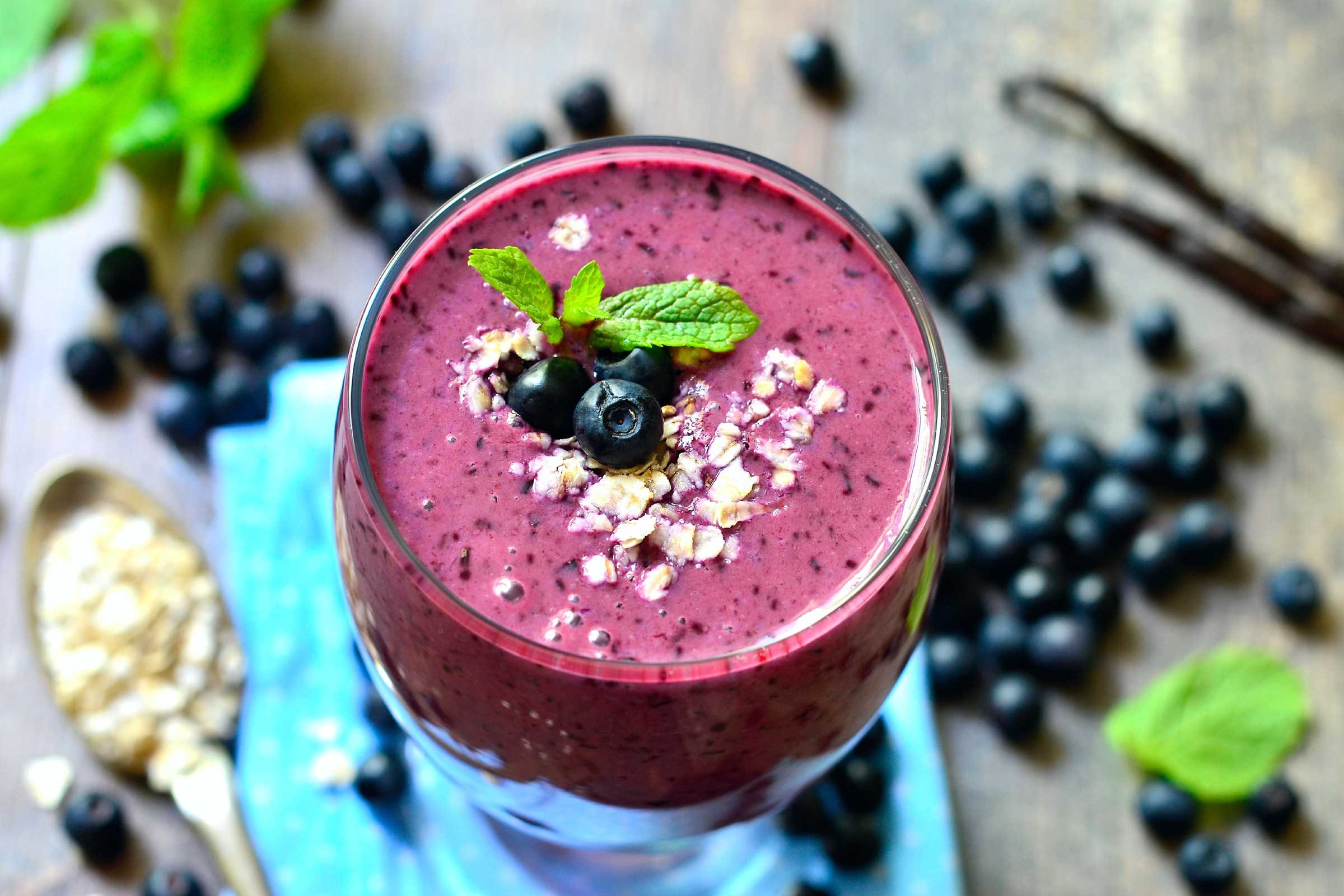
ISTOCK/LILECHKA75
Women who consumed the most veggies and fruit had a 46 percent lower chance of dying over a five-year period compared with those who ate them infrequently, according to a University of Michigan study of 700 participants in their 70s. (Intake was measured by assessing blood levels of certain plant compounds.) These are the healthiest vegetables you can eat. Residents of Okinawa, Japan, which boasts one of the world’s highest centenarian ratios (about 50 per 100,000 people, compared with only ten to 20 in the United States), are living proof you should eat your veggies. Older Okinawans have eaten a plant-based diet most of their lives, and almost all grow or once grew a garden.
You have a way about you
ISTOCK/TEMPURA
Near-centenarians share a number of personality traits, including optimism and joyfulness, according to a 2012 study of 243 volunteers in the journal Aging. “Being adaptable and flexible helps people avoid stress and anxiety, which can increase longevity,” says Rosanne Leipzig, MD, PhD, a professor of geriatrics and palliative medicine at the Icahn School of Medicine at Mount Sinai in New York City. These are the 10 things optimistic people do every day.
You savor the catch of the day
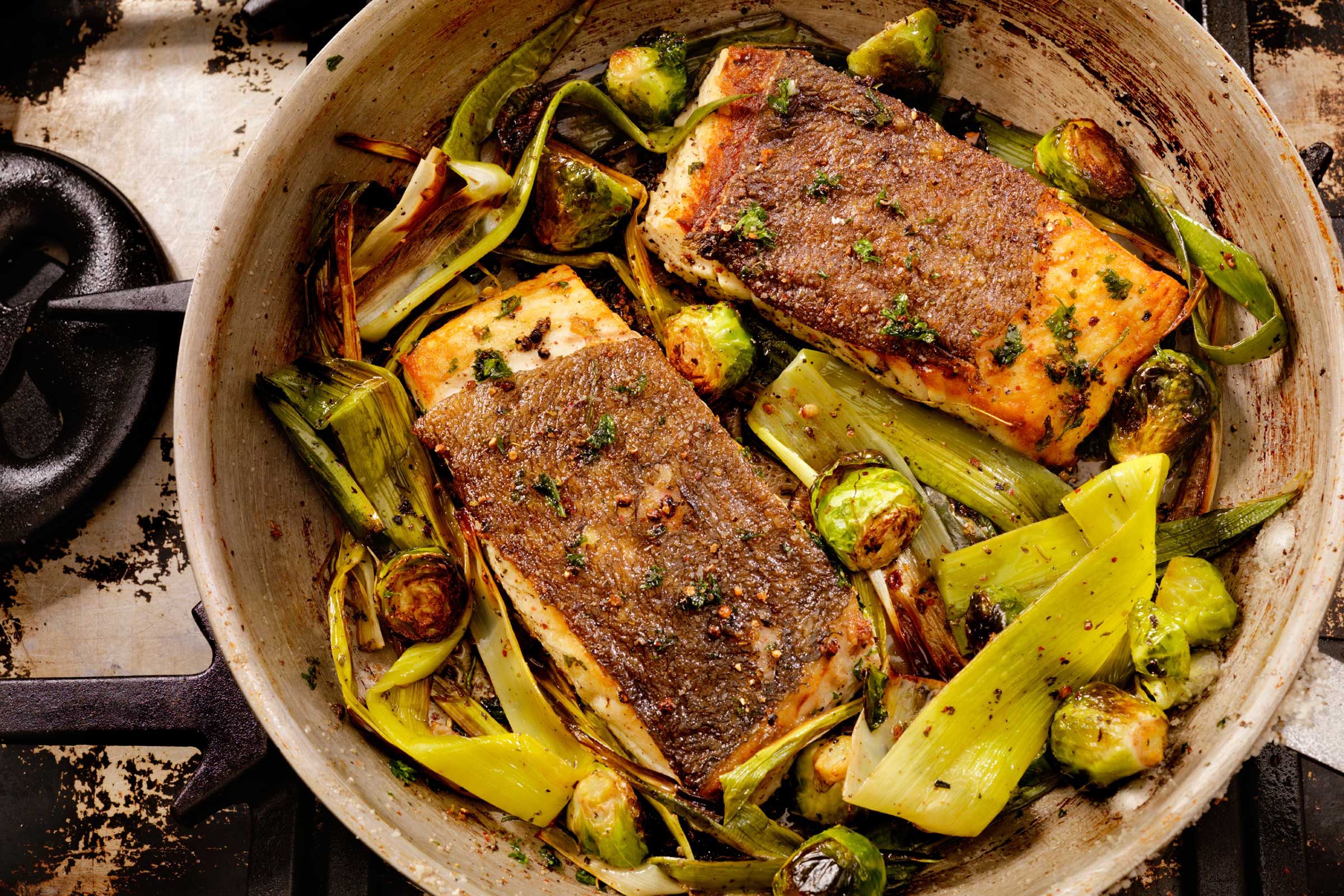
ISTOCK/LAURI PATTERSON
Older adults with the highest blood levels of omega-3 fatty acids lived two more years on average than did those with lower levels, a Harvard study found. Participants did not take fish oil supplements; they simply ate a lot of fish, which is packed with omega-3s.
You eat Greek-ish
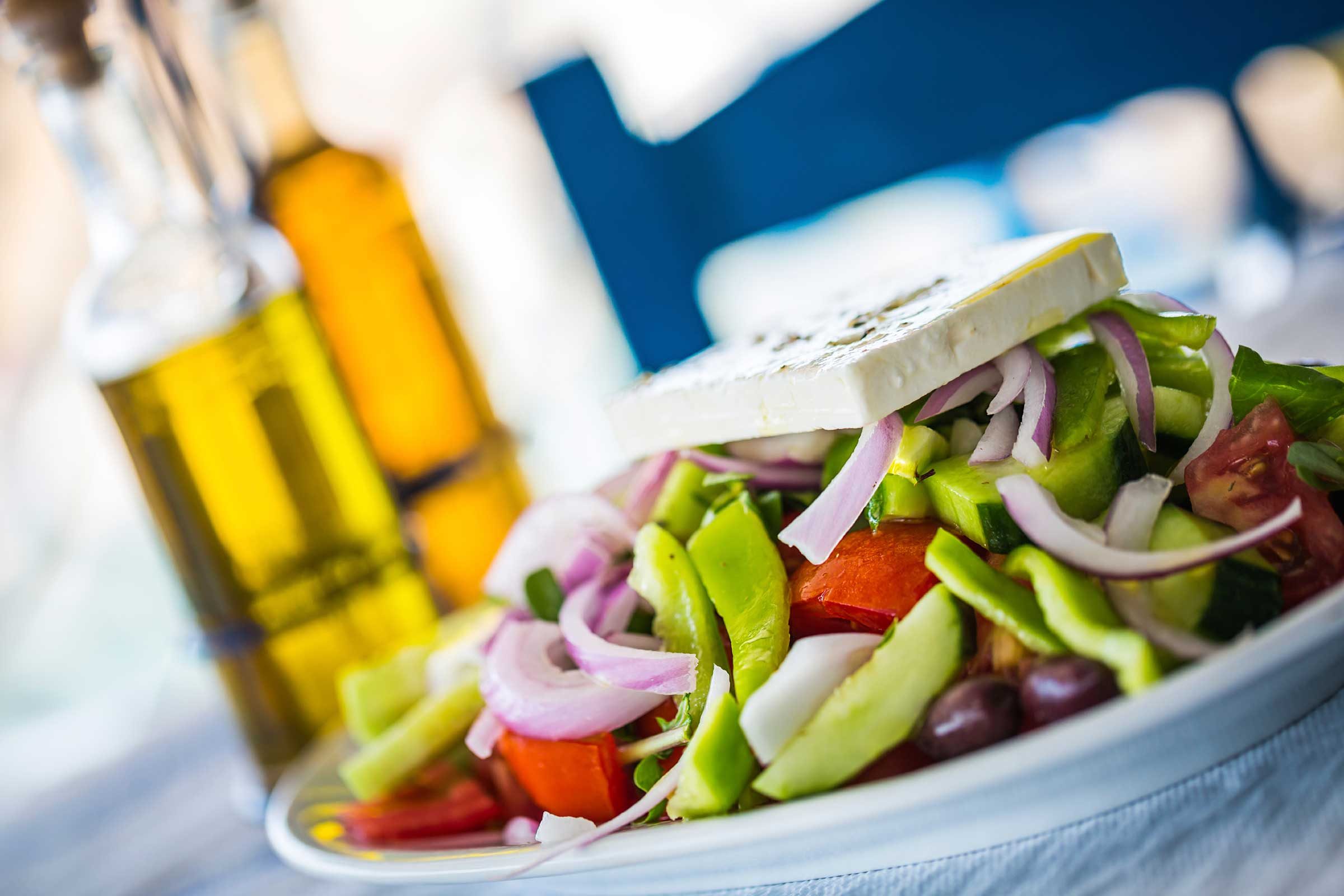
ISTOCK/MBBIRDY
We’ve known that eating a Mediterranean-style diet (one with an emphasis on olive oil, legumes, nuts, and whole grains, as well as fruits, veggies, and fish) has been linked with long life. But new Harvard research of more than 4,600 women reveals the trickle-down effect of good nutrition. Researchers scored volunteers based on how closely they followed this style of eating; those with the highest scores had the least cellular aging. Here's how to eat like a Greek (and lose weight, too!).
You snooze and don't lose
ISTOCK/CENTRAL IT ALLIANCE
Residents of Ikaria, Greece, a small island in the Mediterranean with a high population of centenarians, are fond of an afternoon nap, and it turns out it’s good for their tickers. Harvard researchers studied more than 23,000 people for six years and found that those who regularly took a 30-minute siesta had a 37 percent lower chance of dying from heart disease than did those who stayed awake all day. This is the secret to taking an energizing power nap.
You can run at a good clip
ISTOCK/VGAJIC
A 2012 study in Archives of Internal Medicine confirmed that physical fitness in midlife can predict how healthy you’ll be later. After following 19,000 middle-aged adults, it found that the most fit were less likely to develop Alzheimer’s, certain cancers, heart disease, and type 2 diabetes in their 70s and beyond. The most in-shape men had fitness levels the equivalent of running an eight- minute mile; the women had levels equal to logging a mile in ten minutes. “People who remain active throughout their life span, whether that’s running, walking, or riding bikes, live longer,” says Jeremy Walston, MD, a professor of geriatric medicine at Johns Hopkins University School of Medicine.
You make sure it means something
ISTOCK/SVETLANA BRAUN
A study in Psychological Science found that people who feel they have a sense of purpose in life are less likely to die over a 14-year period. “Make a new friend, pick up a new hobby, or volunteer,” says Dr. Leipzig. “My great-uncle, who is in his mid-90s, still works in his wood shop almost every day,” adds Dr. Walston. Here are the things you should be doing to keep your brain sharp later in life.
You're trim where it counts
ISTOCK/MEDIAPHOTOS
Women with a waist of 37 inches or more had a life expectancy that was five years lower after age 40 than did women with a waist of 27 inches or less, found one study. For men, a waist of 43 inches or more was linked to a three-year decrease in life expectancy compared with those with a waist of 35 inches or less. Trimming even a few inches from your pants size may have a powerful health impact. “I tell my patients that whenever possible, walk, don’t drive,” says Dr. Leipzig. Here are tips to lose belly fat without even exercising.
You've got connections
ISTOCK/MILAN MARJANOVIC
Feeling connected to family and friends keeps people engaged and facilitates healthy aging, says Dr. Walston. “Being isolated works in the other direction and can lead to chronic illnesses.” In Sardinia, Italy, another tiny Mediterranean island with a large centenarian population, friendship is key, according to Dan Buettner, a National Geographic fellow who has traveled the world to study its longest-living people. “Life is very social. People meet on the street daily and savor each other’s company. They count on each other. If someone gets sick, a neighbor is right there,” he wrote in the Wall Street Journal. This is what the healthiest village in the world has to say about how to live longer.
You surround yourself with healthy people
HALFPOINT/SHUTTERSTOCK
Connections of any kind are important, but if the people you associate with are healthy and motivated, this can be a huge boost to your own longevity. The New England Journal of Medicine claims that if your friends gain weight, your own chances of doing so increase by a whopping 57%. This doesn't mean you should shun your less healthy friends, of course; look into some fitness activities you can do together. It's a win-win. Or, try out some of these painless ways to sneak a workout into your social get-togethers.
You drink tea...
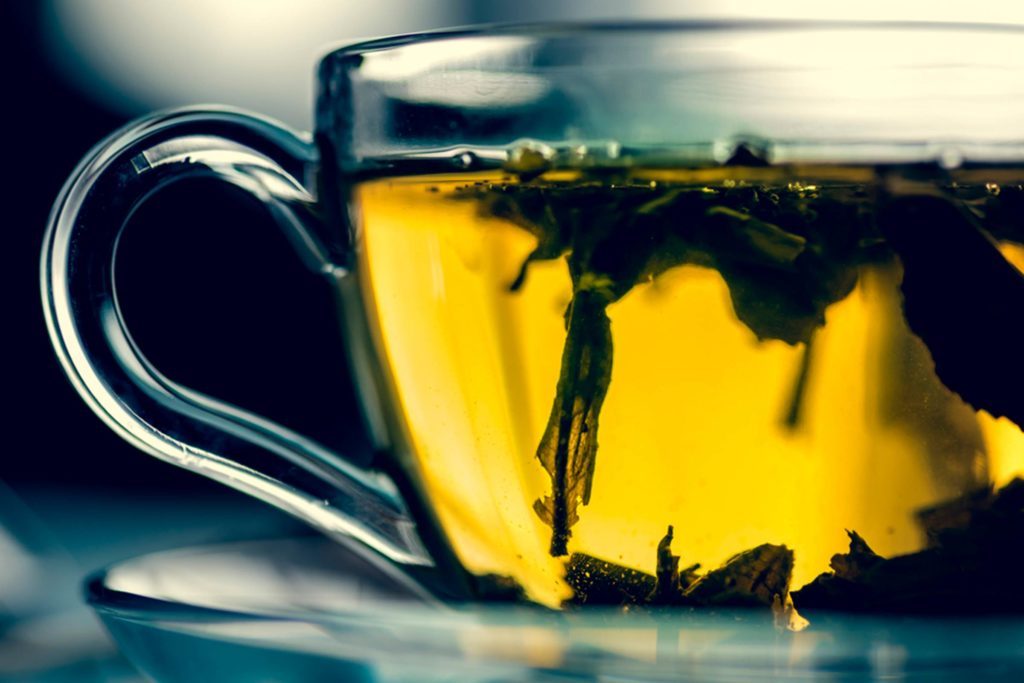
SLAWOMIR.GAWRYLUK/SHUTTERSTOCK
Drinking one or two cups of tea a day is great for your heart. Both green and black tea contain catechins, which relax blood vessels. However, you should be making the tea yourself; in ready-to-drink teas, most of the catechins have probably dissolved already, so they don't have quite the same heart-healthy power. Prevention.com also warns that putting milk in your tea could also negate its health value. Honey it is. Heart protection isn't the only benefit you can get from drinking green tea, either.
...not soda
BRENT HOFACKER/SHUTTERSTOCK
This other popular caffeine-filled beverage is pretty much on the opposite end of the health spectrum as tea. Drinking soda even once a day doubles your risk of metabolic syndrome, which can cause heart disease, diabetes, and weight gain. Even scarier, the sweeteners used in soda—both natural and artificial—can train your taste buds to crave more sweet food and drink. And don't fall for the "diet soda" trap, either; its effects on your health are virtually the same. As if all that weren't enough, here are 10 more reasons you should stay away from soda (yes, even diet).
You do your own chores
VGSTOCKSTUDIO/SHUTTERSTOCK
Keep your house clean and your body healthy all at once. Spending an hour doing an active chore, such as vacuuming or washing the windows, can burn almost 300 calories! According to a study of adults between ages 70 and 90, making this a habit can lower your risk of death by 30 percent. That's worth the slight hassle of doing chores, we think.
You're a purple-eater
AVDEYUKPHOTO/SHUTTERSTOCK
It seems random, sure, but apparently eating purplish-colored foods can give you a major health boost. And no, we're not talking about grape-flavored candy or ice cream (that is, if grape ice cream was even a thing). We're talking about the grapes themselves, blueberries, or—surprise!—red wine. All of these are loaded with polyphenols, which can reduce the risk of both heart disease and Alzheimer's. Eating both blueberries and purple grapes can also improve your brain function and memory, so eat up. Next, check out some other simple habits that could add five years to your life.
[Source: Prevention.com]
 ISTOCK/DUSTYPIXEL
 ISTOCK/NIGHTANDDAYIMAGES
 ISTOCK/JOHN SHEPHERD
 ISTOCK/SIMONKR
 ISTOCK/PUNSAYAPORN
 ISTOCK/MATEJAY
 ISTOCK/CHRIS SADOWSKI
 ISTOCK/MARUCYAN
 ISTOCK/FIKMIK
 ISTOCK/GMVOZD
 ISTOCK/BWFOLSOM
 ISTOCK/COFFMANCMU
 ISTOCK/KRYSTYNATARAN
13 Foods Cardiologists Try to Never Eat
Day in and day out cardiologists see the affects of what a poor diet can do to your heart. And while an occasional indulgence is fine—a glass of red wine here, a piece of chocolate there — there are certain foods they will never let pass their lips.
Processed meats
ISTOCK/DUSTYPIXEL
Bacon, ham, hot dogs, and sausages are a part of many Americans' daily diets but Jennifer Haythe, MD, a cardiologist and assistant professor of medicine at Columbia Presbyterian in New York City won't go near them. "These products are literally dripping with saturated fats. And we know that sausage and processed meats have been linked to heart failure and cancer," says Dr. Haythe. What exactly is in processed meat? Processed meat refers to meat that has been salted, cured, fermented or smoked to improve its shelf life. While these foods are quick and convenient, the chemicals and salt used in processed foods are harmful for our hearts, especially when eaten in larger quantities. These are signs you're eating too much sodium.
Red meat
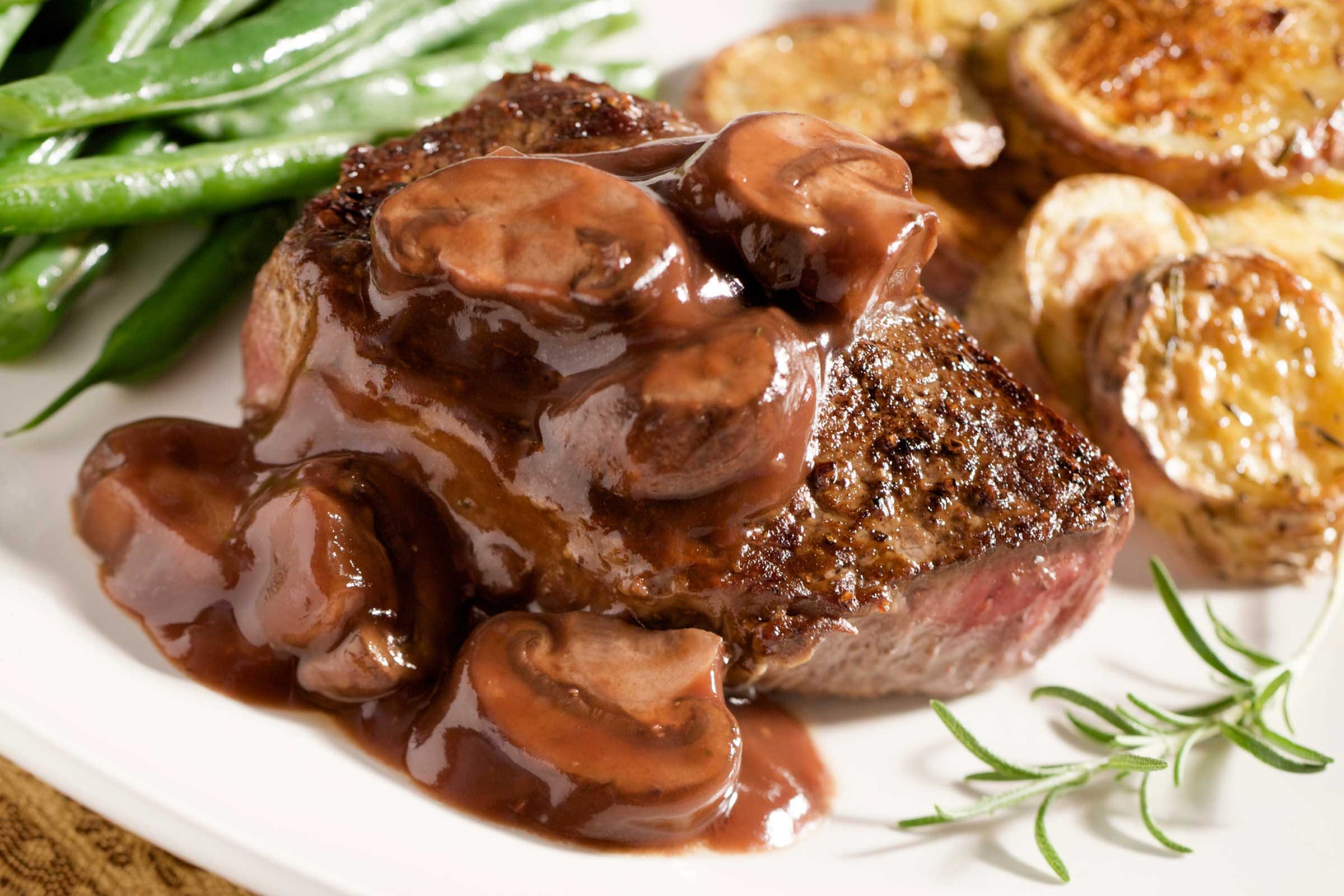
ISTOCK/NIGHTANDDAYIMAGES
A tender and juicy steak topped with mushrooms sauteed in butter is a meal you may want to reserve for a special occasion. "That delicious steak in front of you is full of saturated fats, cholesterol, and salt," says Dr. Haythe. Dr. Haythe advises all her patients to limit red meat to once a month. When you do eat read meat, looks for leaner cuts like eye of round roast, top roast, top sirloin, and sirloin tips. Uses spices and herbs for flavor and steer clear of butter, cream, and hollandaise sauces. Plus, meatless meals can be filling and delicious too. Check out these top sources of plant-based protein.
Potato chips
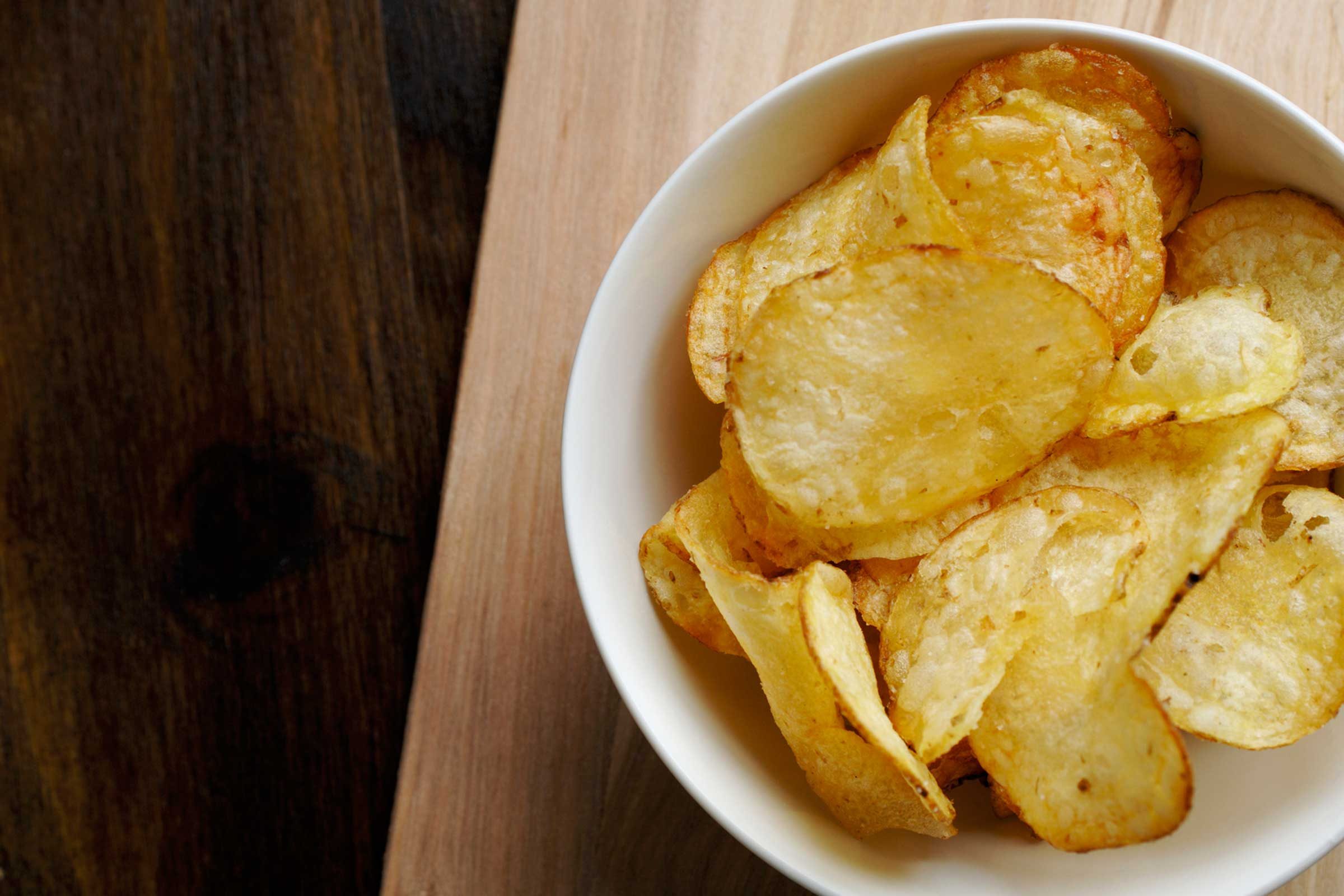
ISTOCK/JOHN SHEPHERD
It's easy to plow through a bag of potato chips or a giant bowl buttered popcorn, but Dr. Haythe says these snacks can be bite-sized bits of trans-fats, sodium, and carbs. A study published in the New England Journal of Medicinefound that 99.2 percent of people worldwide consume more than 2,000 milligrams of sodium each day. (Many health organizations recommend no more than 1,500 milligrams a day.) People who consume more than 2,000 milligrams of sodium per day account for one in 10 cardiovascular deaths. Does this mean you have to give up popcorn for your next Netflix binge? If you can't give up popcorn or chips entirely, try switching to baked chips and or lightly salted and buttered popcorn. Here's how to prepare popcorn to make it as healthy as possible. To keep tabs on your portion, leave the bag of chips or popcorn in the kitchen and place a snack in a single-serving bowl. You'll probably eat a lot less than if you were eating from the bag. Here are some other tricks to help you eyeball healthier portions.
Pizza
ISTOCK/SIMONKR
A weekly pizza night is something most of us look forward to. Unfortunately, the only thing we're picking up from the pizzeria is a "giant carbohydrate topped with salt and processed cheese," says Dr. Haythe. You don't have to give up your favorite dinner of the week, just order a healthier version with mushrooms, peppers, extra sauce, hold the pepperoni. Another option is to make a healthier version at home. "Use whole wheat crust, olive oil, and fresh goat cheese," recommends Dr. Haythe. Here are some other healthy pizza toppings to use.
Diet soda
ISTOCK/PUNSAYAPORN
Sindhu Koshy, MD, a cardiologist at Ascension St. John Macomb Oakland Hospital in Michigan says even regular soda is better than diet. "The aspartame in diet soda is actually worse for you than sugar or high fructose corn syrup and can make you crave sweet things." According to Dr. Koshy, diet soda can promote weight gain and being overweight isn't good for your heart. According to the American Heart Association (AHA), "Nearly 70 percent of American adults are either overweight or obese. Being obese puts you at a higher risk for health problems such as heart disease, stroke, high blood pressure, diabetes, and more." Here are the good things that happen to your body if you stop drinking diet soda.
Table salt
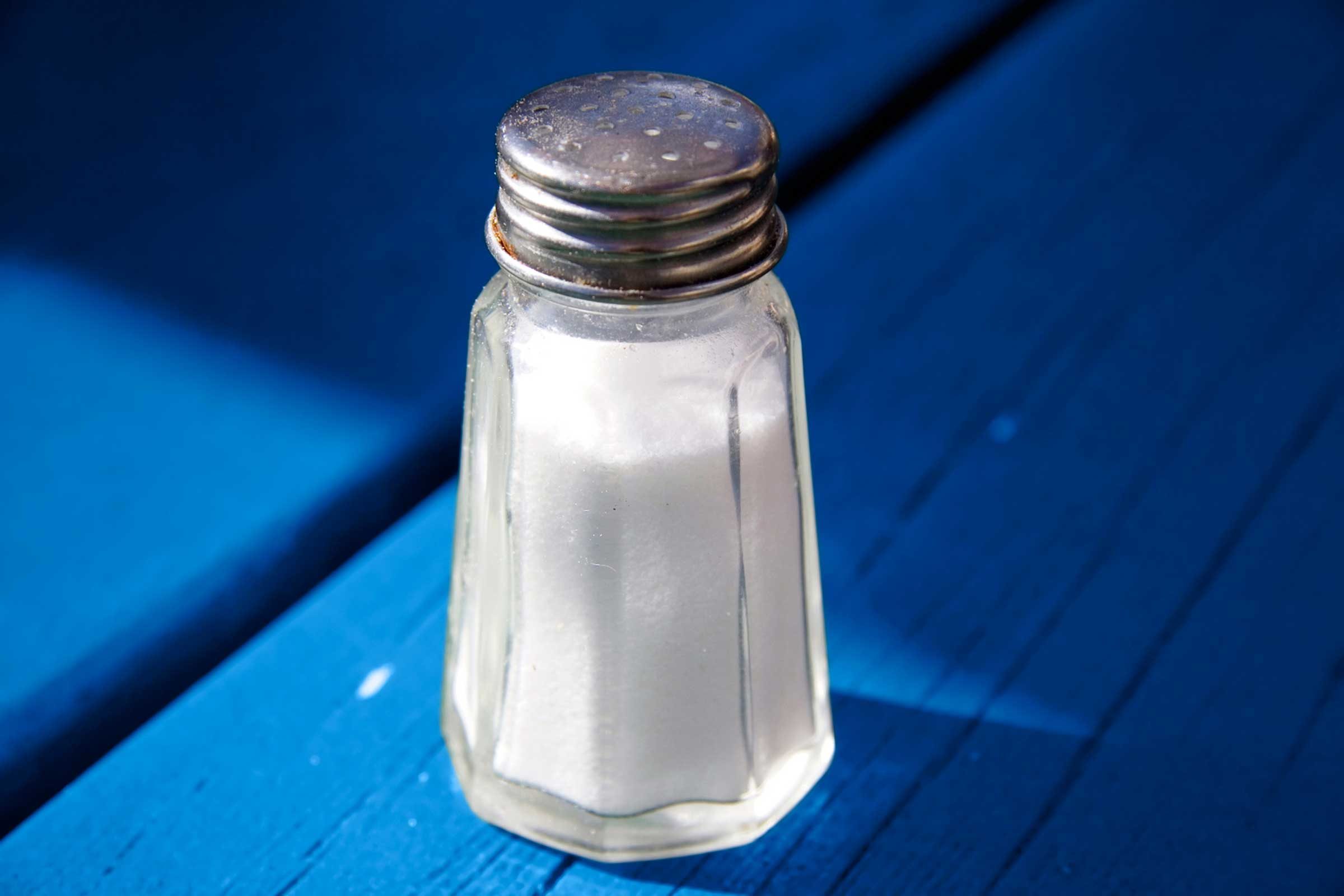
ISTOCK/MATEJAY
It seems our taste buds aren't satisfied unless we shake salt on our food or find it in a bag of salty chips, but salt can cause issues with blood pressure. If your blood pressure is too high, your arteries can harden and narrow, resulting in a greater chance of heart disease. Dr. Koshy doesn't add salt to any food or when she cooks. She doesn't even have a salt shaker on the table. "It doesn't matter what kind of salt it is—Himalayan sea salt or pink salt—if it has salt in its name, it is no good," she says. If you're struggling with high blood pressure, limit your salt intake and introduce your salt-craving taste buds to spices like cumin, curry, garlic, rosemary, cinnamon, etc. The results could be significant in lowering high blood pressure. Here are some more things doctors might not tell you about healthy blood pressure. "Usually, if people with high blood pressure remove salt from their diet, their blood pressure will drop enough that they don't need medication," says Koshy. Check out more natural remedies for high blood pressure.
Boxed cereal
ISTOCK/CHRIS SADOWSKI
Sugar is bad for your teeth and waistline, but your heart isn't losing any love over it either. A 2014 study published in JAMA: Internal Medicine found people who consumed 17 to 21 percent of calories from added sugar had a 38 percent higher risk of dying from cardiovascular disease than those who consumed 8 percent of their calories from added sugar. Dr. Koshy likens the added sugars in many cereals (and any food with added sugar) to eating candy: "It increases the sugar in our blood, which increases triglycerides and raises cholesterol." Choose cereals with less added sugars, or better yet, oatmeal. "I recommend oatmeal every day: the plain variety and with fresh fruit added instead of dried fruit or sugar." Try these creative and tasty oatmeal toppings.
White bread
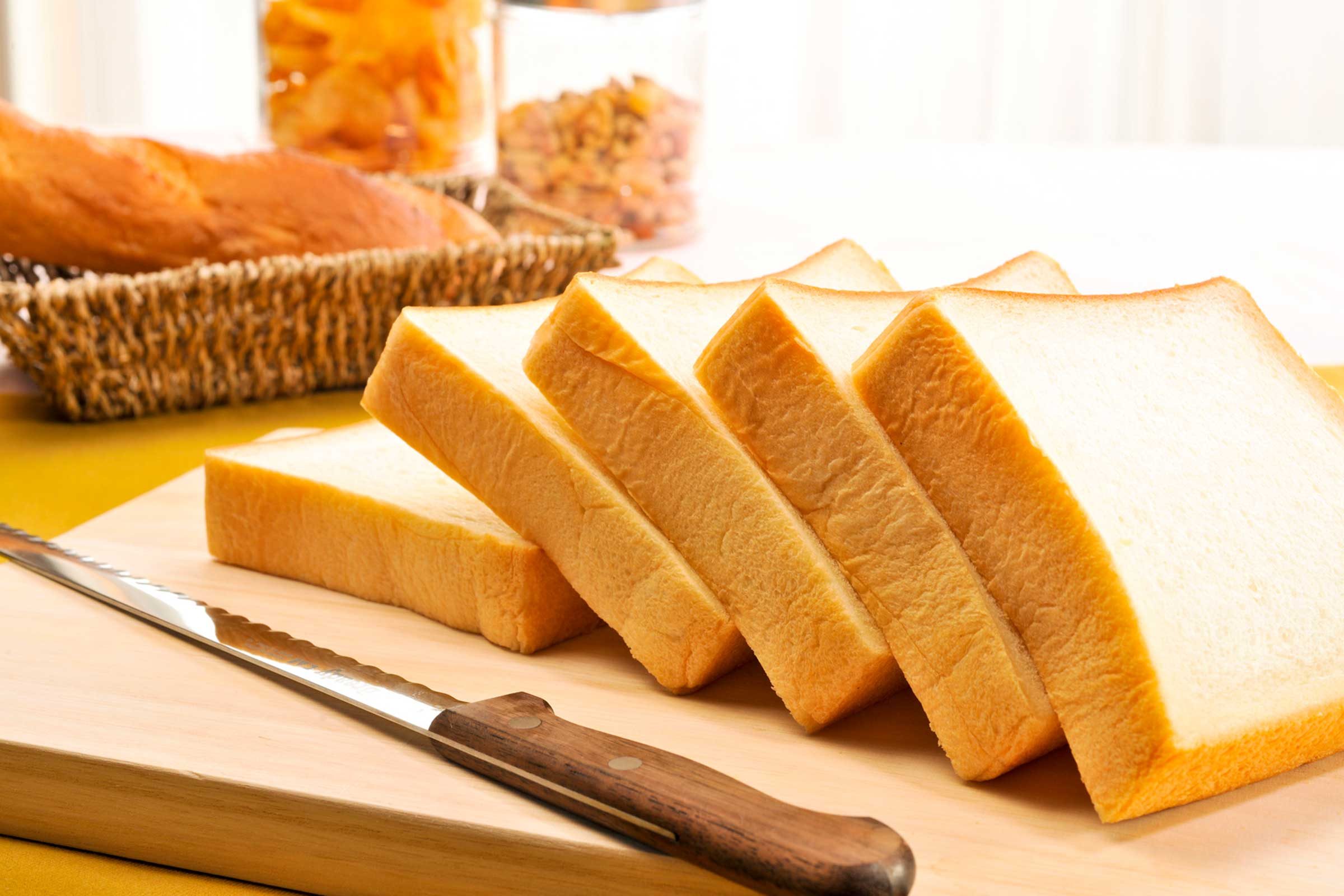
ISTOCK/MARUCYAN
White bread, pasta, and white rice are all starches that Dr. Koshy avoids. "You want to minimize the amount of white starches that you're eating because it just turns into sugar [in your body]," warns Dr. Koshy. Look for whole grain breads and pastas, which contain more fiber than white varieties and are digested more slowly to help regulate blood sugar levels. In addition, the whole grains provide more fiber, which helps you feel fuller longer so you're less likely to have those "sugar crashes" and reach for more sugary snacks between meals.
Energy drinks
ISTOCK/FIKMIK
Most energy drinks claim they are a healthy way to boost energy. Trouble is, several ingredients like guarana and taurine are touted as natural energy boosters and not regulated. Mix these ingredients with caffeine and you could be setting yourself with a racing heartbeat. "There is such a high amount of caffeine in a lot of these energy drinks that it also can trigger arrhythmia," says Nicole Weinberg, MD, a cardiologist and director of the Pacific Heart Institute's Women's Heart Center at Providence Saint John's Health Center in Santa Monica. "This, coupled with a lack of sleep, which is generally the reason why people are having energy drinks to begin with, is a bad combination," says Dr. Weinberg. A better idea? Try these natural energy boosters.
Deep-fried chicken
ISTOCK/GMVOZD
Americans love deep-fried anything from chicken to candy bars. These foods may be tasty, but according to Dr. Weinberg, they have no nutritional redeeming value, even if the food is a veggie. "It is bad for your heart, bad for your waistline, and brings oxidants into your system," says Dr. Weinberg. Oxidants are the antioxidants' arch-nemesis. Deep frying involves hot oil and that changes the structure of vitamins and antioxidants. You're not only getting added fat and calories but cell-damaging oxidants.
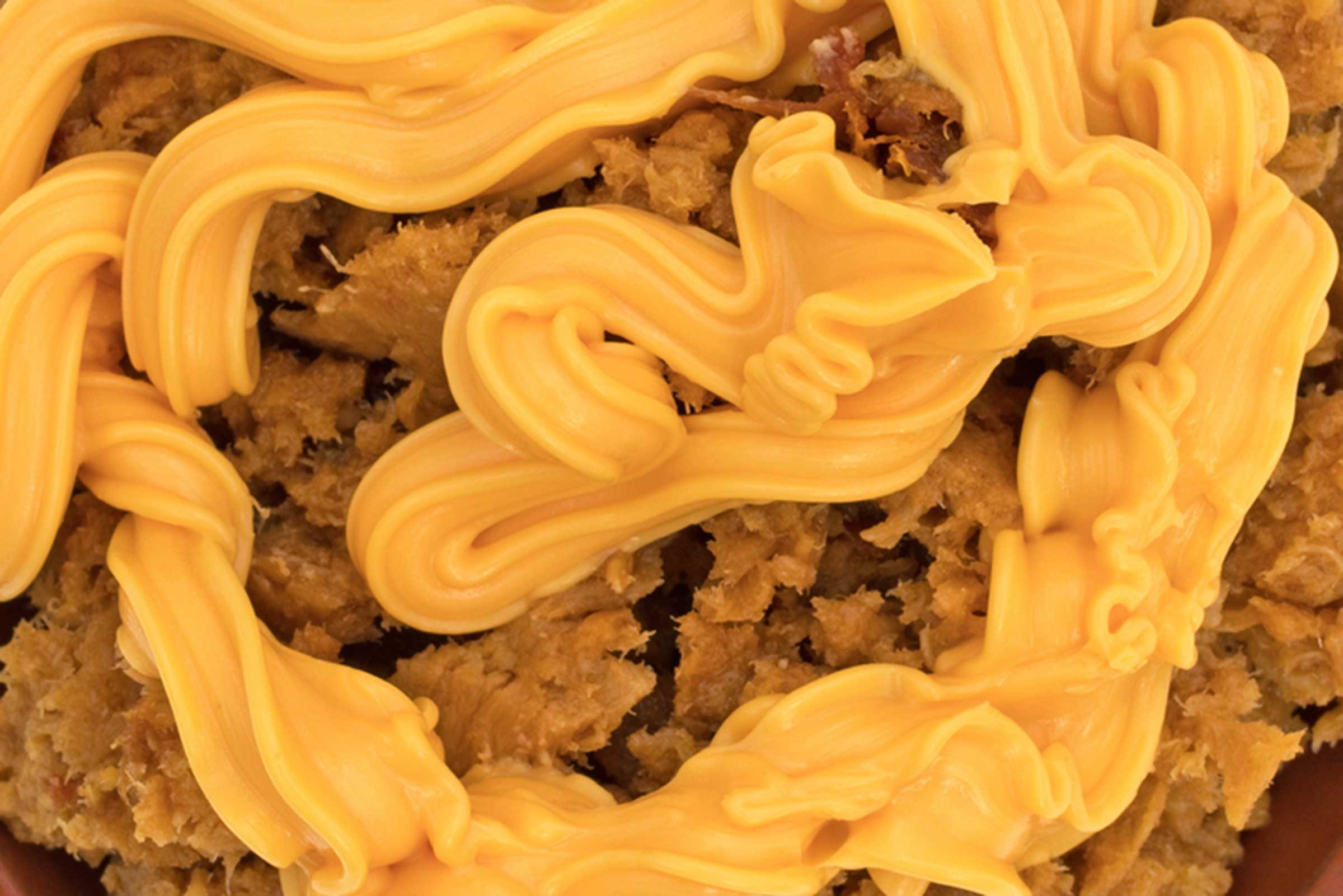
Cheez Whiz
ISTOCK/BWFOLSOM
Dr. Victoria Shin, a cardiologist with Torrance Memorial Physicians Network says she avoids this and other processed cheese products because they are filled with preservatives. "Basically, any food item that has a long shelf life will probably reduce our 'self' lives," says Shin. In addition to the chemicals used in preserving shelf life, Cheez Whiz has 91 calories in 2 tablespoons and 7 grams of saturated fat. Let's face it, we're pouring more than 2 tablespoons of Cheese Whiz on our nachos. Here are some signs you're eating too many preservatives.
Instant ramen noodles
ISTOCK/COFFMANCMU
These crunchy packets of noodles are the staple of many college students. Cookbooks and food blogs provide countless suggestions make the noodles even more delicious. How much damage to your heart can a little square packet of noodles do? Did you know the noodles are deep fried first? That's one factor that isn't good for our heart. The other is salt. A typical packet of ramen has 875 mg of sodium. That's a big chunk of the AHA recommendation of 1,500 miligrams. per day. Too much salt can cause our body to hang onto to excess fluid, which increases blood pressure and be taxing on the heart. This is what happens when you eat nothing but ramen for a week.
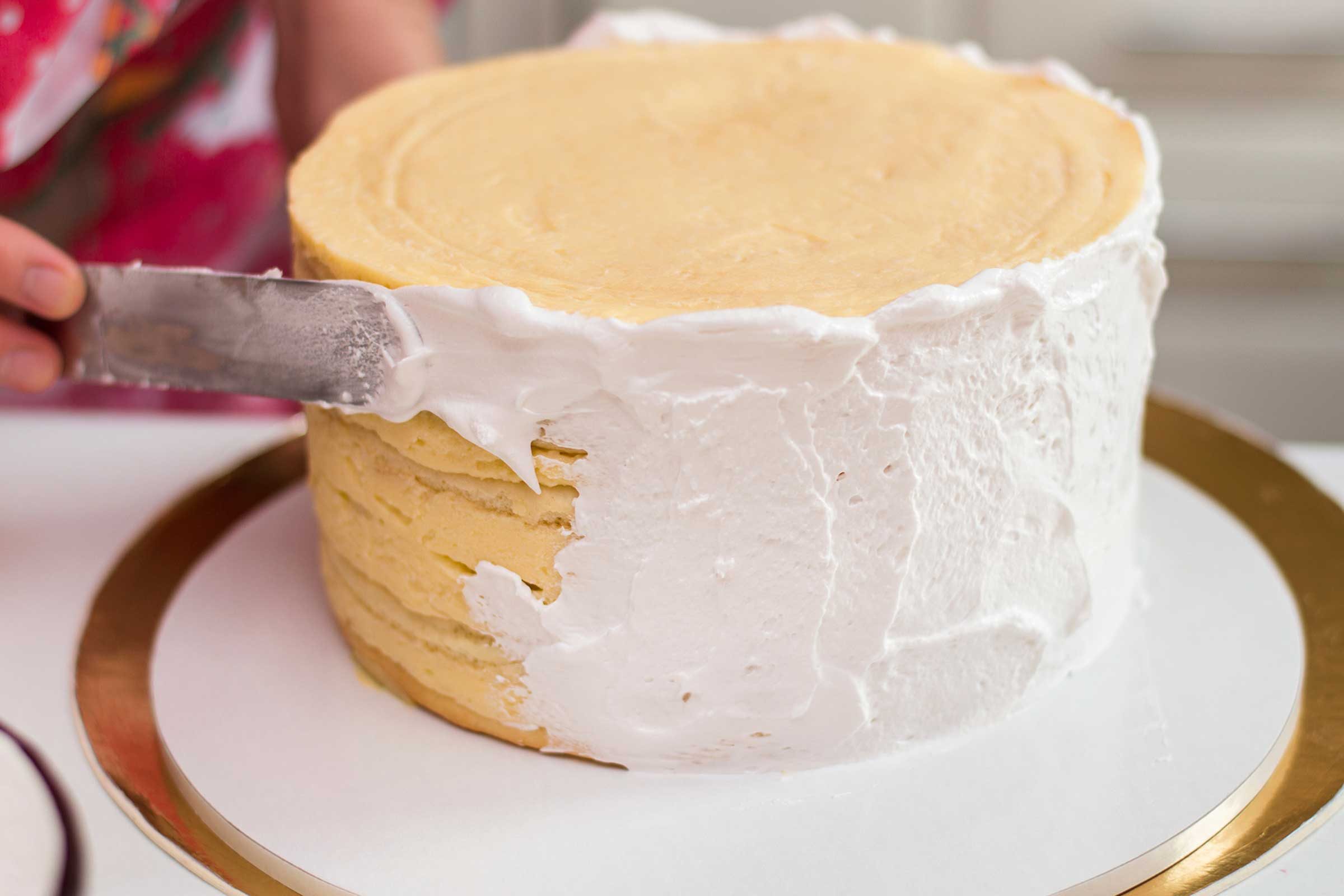
Frosting in a jar
ISTOCK/KRYSTYNATARAN
Who can wait for the cake to cool before we dive into the jar of frosting? Tempting as it is, don't dive in and limit the frosting you eat. Besides being full of preservatives and ingredients you can't pronounce, it is a sugar nightmare for your heart. A typical jar of frosting can have as much as 20 grams per 2 tablespoons. First, we rarely eat just 2 tablespoons but even if we stuck to that, we would be pretty close to tipping the scales in the wrong direction for sugar consumption that day. The AHA recommends 36 grams per day for men and 24 grams per day when it comes to added sugars. Sugar contributes to an expanding waistline and an unhealthy heart. Here are some signs you're eating too much sugar.
ISTOCK/NATALIAMILLSWhile most of us are more familiar with the opposite ends of the personality spectrum, introvert and extrovert, we're actually more likely to identify with the in-between, also known as ambivert. "An ambivert is someone who possess traits of both, meaning they may have the charisma and assertiveness of an extrovert and share the thoughtfulness and listening skills of an introvert," explains Helen Odessky, PhD, psychologist and author of Stop Anxiety from Stopping You. Extroverts are generally energized by being around other people, love being the life of the party, avoid being alone for long periods of time, and prefer to talk things out then leave things unsaid. Introverts, on the other hand, make alone time a priority, enjoy more intimate conversations, stray from large gatherings, prefer to think things through instead of talking things out, and are energized by alone time. Do you find things in common with each? If so, you're likely an ambivert. "You're emotionally flexible," says Paulette Kouffman Sherman, PsyD, psychologist and author of The Book of Sacred Baths. "Ambiverts can get energy from being with people and from being alone and they can be self-reflective in situations and also work things through by talking with others." This gives you the advantage of having both skills as tools.
ISTOCK/CHOREOGRAPHIf spending time with other people sometimes energizes you and other times completely exhausts you, you're an ambivert. "You'll find that you go through phases where you want to be around people, but then at some point you've had enough and need to retire from company to restore your energy levels alone," explains Grant Brenner, MD, a Manhattan-based psychiatrist. "You can be reserved and quiet when you're not in the mood to be around people, but when you're looking forward to being around people you can be confident and outgoing." This can be great, assuming you're in the right mood at the right time, though there will be times when you wish you could be more interesting, but just can't find it within you. There may be some days when you're craving alone time and enjoy doing things around the house and other times when you feel stir-crazy and just need to be out with people. The trick is to work out the timing or learn to harness both ends of the spectrum, so you can enjoy being social and engaging and also set aside some alone time. These conversation starters make you instantly interesting.
ISTOCK/PORTRA"Extroverts tend to trust others more easily, sharing more about themselves early on and becoming more friendly right off the bat," says Dr. Brenner. "For example, they're typically more quick to use nicknames rather than more formally sticking with full names even when it seems too stiff." Introverts, on the other hand, tend to open up more slowly and prefer to keep some distance between themselves and others until they get to know exactly who they're dealing with. Ambiverts can do either. They can sense when they need to listen or be assertive and know how to adapt to the environment or person they're with. These are the subtle habits that make people trust you.
ISTOCK/EUGENIO-MARONGIUAmbiverts like both stimulating and non-stimulating environments. They can seek social interactions and pull back when they need a break. This makes them very versatile and well adapted to whatever situation they might find themselves in. For example, they can thrive at a protest or demonstration march just as well as they can enjoy a quiet evening alone watching Netflix. "Because they gain energy both from spending time with others and from alone time, most situations and environments can suit them," Dr. Brenner says. "They are flexible, which can help them to speak to crowds and spend time alone in a work setting in front of a computer researching or writing."
ISTOCK/JACOBLUNDAmbiverts like to do a lot of different things so they don't get bored, but they also need to take breaks because it sometimes gets to be too much. "Extroverts, on average, do many things differently in their personal and professional lives, but may not get into many of them in depth because they seek a higher level of stimulation from the external environment," says Dr. Brenner. "Introverts, on the other hand, tend to need less stimulation and, in fact, may find being around other people over-stimulating." Ambiverts can seek social interactions when they need stimulation and pull back when they need a breather. They might find themselves in the middle of a big crowd having a grand old time, but when it gets to be too much, they might retire to the quieter part of the party to have a deeper conversation with one or two people with similar interests, and get a lot out of that as well. Use these tricks to joining a conversation at a party without being awkward.
ISTOCK/ALVAREZAmbiverts love delving into those deep, intimate, one-on-one conversations just as much as they enjoy engaging in small talk with a stranger on the subway. They are good listeners and have a distinct intuition about when it's appropriate to speak and when it's better to listen. "Taking on the qualities of both introverts and extroverts allows them to have enough time to think before they speak, which helps them avoid saying something irrational or impulsive, and are also able to speak their mind freely and share their ideas," says Dr. Sherman. Here's what good listeners have in common.
ISTOCK/KRITCHANUTBecause ambiverts can be both introverted and extroverted, they're not always sure what will give them the energy they crave. This may lead them to question whether it would be best for them to sit home and read a good book or go out to a networking event to meet new and fascinating people. "Seeing equal pros and cons to all different scenarios can lead to bouts of confusion," Dr. Sherman explains. Sometimes simply being in one of the two extreme situations can encourage ambiverts to adapt and relax in either environment, but other times it can be problematic. "When you find yourself in a social situation that you're not in the mood for, you might become irritable or unusually quiet," says Brenner. "Or, you may find yourself completely bored when you're alone at home, even though you know in the back of your mind there's a book you've been meaning to read forever or a project you have to do."
ISTOCK/GRADYREESEAmbiverts can be excellent team players and thrive in a group setting, mainly because they have the perfect balance between needing to be the center of attention and needing to be the "quiet one." They're also happy to take on solo assignments and find no problem sourcing knowledge or information themselves. "This is because ambiverts can draw on extroverted traits while they're in group settings, feeding off the energy and creativity, facilitating conversations and amping up the brainstorming, and they can also back off and give air time to others in the group without having to take over," explains Brenner. "When they are working alone, they can use their introverted traits to buckled down and dig deep, pulling the assignment together with the group in mind." You might be surprised by the secrets your work colleagues would desperately like to tell you.
ISTOCK/POPARTICSince ambiverts can usually relate well to both introverts and extroverts, they often connect with both extremes and are easy to get along with. Instead of challenging the personalities they come across, they blend in and adapt like a chameleon, taking cues from others for how they should behave. If the person they're talking to is energetic and talkative, they find it easy to dial things back and allow that individual to shine. And when they're talking to someone who's a bit more quiet and reserved, the ambivert has it within them to lead the conversation and be more talkative and alert than the introvert. These are the golden rules of conversation to always follow.
ISTOCK/COURTNEYKAmbiverts can be both good leaders and good followers. "They can be team players and great managers because they can relate to their introverted and extroverted coworkers and great salespeople, thanks to their ability to be assertive, friendly, and approachable," says Dr. Sherman. In fact, one study published in the journal Psychological Science found that ambiverts, rather than extroverts or introverts, excelled at sales. This is due to a unique combination of displaying a measured degree of assertiveness and enthusiasm. Here's how to use body language to build better relationships.
10 Signs You’re an Ambivert (Hint: You Probably Are)
BY JENN SINRICH
Not totally sure where you fall on the personality spectrum? Here are some key traits that suggest you might be smack in the middle, AKA, an ambivert.
You relate to the characteristics of both an extrovert and an introvert
ISTOCK/NATALIAMILLSWhile most of us are more familiar with the opposite ends of the personality spectrum, introvert and extrovert, we're actually more likely to identify with the in-between, also known as ambivert. "An ambivert is someone who possess traits of both, meaning they may have the charisma and assertiveness of an extrovert and share the thoughtfulness and listening skills of an introvert," explains Helen Odessky, PhD, psychologist and author of Stop Anxiety from Stopping You. Extroverts are generally energized by being around other people, love being the life of the party, avoid being alone for long periods of time, and prefer to talk things out then leave things unsaid. Introverts, on the other hand, make alone time a priority, enjoy more intimate conversations, stray from large gatherings, prefer to think things through instead of talking things out, and are energized by alone time. Do you find things in common with each? If so, you're likely an ambivert. "You're emotionally flexible," says Paulette Kouffman Sherman, PsyD, psychologist and author of The Book of Sacred Baths. "Ambiverts can get energy from being with people and from being alone and they can be self-reflective in situations and also work things through by talking with others." This gives you the advantage of having both skills as tools.You love being social but also crave alone time
ISTOCK/CHOREOGRAPHIf spending time with other people sometimes energizes you and other times completely exhausts you, you're an ambivert. "You'll find that you go through phases where you want to be around people, but then at some point you've had enough and need to retire from company to restore your energy levels alone," explains Grant Brenner, MD, a Manhattan-based psychiatrist. "You can be reserved and quiet when you're not in the mood to be around people, but when you're looking forward to being around people you can be confident and outgoing." This can be great, assuming you're in the right mood at the right time, though there will be times when you wish you could be more interesting, but just can't find it within you. There may be some days when you're craving alone time and enjoy doing things around the house and other times when you feel stir-crazy and just need to be out with people. The trick is to work out the timing or learn to harness both ends of the spectrum, so you can enjoy being social and engaging and also set aside some alone time. These conversation starters make you instantly interesting.You have a good sense of when to trust
ISTOCK/PORTRA"Extroverts tend to trust others more easily, sharing more about themselves early on and becoming more friendly right off the bat," says Dr. Brenner. "For example, they're typically more quick to use nicknames rather than more formally sticking with full names even when it seems too stiff." Introverts, on the other hand, tend to open up more slowly and prefer to keep some distance between themselves and others until they get to know exactly who they're dealing with. Ambiverts can do either. They can sense when they need to listen or be assertive and know how to adapt to the environment or person they're with. These are the subtle habits that make people trust you.You're comfortable in most environments
ISTOCK/EUGENIO-MARONGIUAmbiverts like both stimulating and non-stimulating environments. They can seek social interactions and pull back when they need a break. This makes them very versatile and well adapted to whatever situation they might find themselves in. For example, they can thrive at a protest or demonstration march just as well as they can enjoy a quiet evening alone watching Netflix. "Because they gain energy both from spending time with others and from alone time, most situations and environments can suit them," Dr. Brenner says. "They are flexible, which can help them to speak to crowds and spend time alone in a work setting in front of a computer researching or writing."You often feel the need to dial back your social time
ISTOCK/JACOBLUNDAmbiverts like to do a lot of different things so they don't get bored, but they also need to take breaks because it sometimes gets to be too much. "Extroverts, on average, do many things differently in their personal and professional lives, but may not get into many of them in depth because they seek a higher level of stimulation from the external environment," says Dr. Brenner. "Introverts, on the other hand, tend to need less stimulation and, in fact, may find being around other people over-stimulating." Ambiverts can seek social interactions when they need stimulation and pull back when they need a breather. They might find themselves in the middle of a big crowd having a grand old time, but when it gets to be too much, they might retire to the quieter part of the party to have a deeper conversation with one or two people with similar interests, and get a lot out of that as well. Use these tricks to joining a conversation at a party without being awkward.You're a good communicator
ISTOCK/ALVAREZAmbiverts love delving into those deep, intimate, one-on-one conversations just as much as they enjoy engaging in small talk with a stranger on the subway. They are good listeners and have a distinct intuition about when it's appropriate to speak and when it's better to listen. "Taking on the qualities of both introverts and extroverts allows them to have enough time to think before they speak, which helps them avoid saying something irrational or impulsive, and are also able to speak their mind freely and share their ideas," says Dr. Sherman. Here's what good listeners have in common.You often feel indecisive
ISTOCK/KRITCHANUTBecause ambiverts can be both introverted and extroverted, they're not always sure what will give them the energy they crave. This may lead them to question whether it would be best for them to sit home and read a good book or go out to a networking event to meet new and fascinating people. "Seeing equal pros and cons to all different scenarios can lead to bouts of confusion," Dr. Sherman explains. Sometimes simply being in one of the two extreme situations can encourage ambiverts to adapt and relax in either environment, but other times it can be problematic. "When you find yourself in a social situation that you're not in the mood for, you might become irritable or unusually quiet," says Brenner. "Or, you may find yourself completely bored when you're alone at home, even though you know in the back of your mind there's a book you've been meaning to read forever or a project you have to do."You work well both solo and in groups
ISTOCK/GRADYREESEAmbiverts can be excellent team players and thrive in a group setting, mainly because they have the perfect balance between needing to be the center of attention and needing to be the "quiet one." They're also happy to take on solo assignments and find no problem sourcing knowledge or information themselves. "This is because ambiverts can draw on extroverted traits while they're in group settings, feeding off the energy and creativity, facilitating conversations and amping up the brainstorming, and they can also back off and give air time to others in the group without having to take over," explains Brenner. "When they are working alone, they can use their introverted traits to buckled down and dig deep, pulling the assignment together with the group in mind." You might be surprised by the secrets your work colleagues would desperately like to tell you.You're comfortable around a range of different personalities
ISTOCK/POPARTICSince ambiverts can usually relate well to both introverts and extroverts, they often connect with both extremes and are easy to get along with. Instead of challenging the personalities they come across, they blend in and adapt like a chameleon, taking cues from others for how they should behave. If the person they're talking to is energetic and talkative, they find it easy to dial things back and allow that individual to shine. And when they're talking to someone who's a bit more quiet and reserved, the ambivert has it within them to lead the conversation and be more talkative and alert than the introvert. These are the golden rules of conversation to always follow.You have the qualities of a good entrepreneur
ISTOCK/COURTNEYKAmbiverts can be both good leaders and good followers. "They can be team players and great managers because they can relate to their introverted and extroverted coworkers and great salespeople, thanks to their ability to be assertive, friendly, and approachable," says Dr. Sherman. In fact, one study published in the journal Psychological Science found that ambiverts, rather than extroverts or introverts, excelled at sales. This is due to a unique combination of displaying a measured degree of assertiveness and enthusiasm. Here's how to use body language to build better relationships.- লিঙ্ক পান
- X
- ইমেল
- অন্যান্য অ্যাপ
মন্তব্যসমূহ
একটি মন্তব্য পোস্ট করুন