|
SLIDESHOW |
|
Why Yeast May Be to
Blame for Your Health Problems ( courtecy;-webMD)
|
Yeast and Your Body: What You Need to
Know

1/16
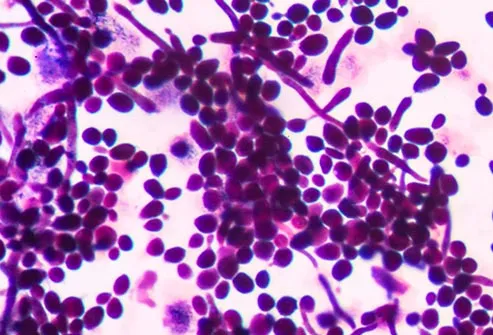
What Is Yeast?
It’s a fungus. There are
many kinds of yeasts. You use one type to make bread, another to brew beer. One
called candida lives inside your body. If it grows out of control, you can get
an infection. Yeast infections can strike your skin, feet, mouth, penis, or
vagina. If your immune system is weak, you may be more likely to get one.

1/16
It Keeps Things Running
You can get plenty of
proteins and B vitamins from yeast-rich foods. Yeast keeps your digestive
system healthy and in balance. The right amount in your body helps your immune
system do its job. Yeast is part of a healthy mix of bacteria in your gut. It can
help you absorb vitamins and minerals from your food, and even fight disease.

1/16
It Can Get Out of Balance
A little yeast in your
body is good for you. Too much can cause infections and other health problems.
If you take antibiotics too often or use oral birth control, your body might
start to grow too much yeast. This often leads to gas, bloating, mouth sores,
bad breath, a coating on your tongue, or itchy rashes.

1/16
Your Immune System's Involved
If your immune system
isn’t at its best, yeast can overgrow in your body. Babies, older people, and
those with diseases like diabetes or HIV infection can have weakened immune
systems. Chemotherapy for cancer and steroids can zap your immune system, too.
Sjogren’s syndrome, which affects your immune system, can raise your risk of
yeast infection.

1/16
All About Candida
It's the yeast most
often to blame for health problems. Candida albicans is the
most common strain. But there are least 20 candida species that cause
infections in humans. Candida auris is a new fungus in this
family that’s a big concern. Hospital patients infected with it can get very
ill and may not get help from antifungal drugs.

1/16
What Is a Yeast Infection?
If yeast is out of
balance, you might get candidiasis, or a yeast infection. These most often
affect your vagina, but you can also have thrush, a yeast infection in your
mouth or throat. Too much yeast can trigger diarrhea or a skin rash. It’s rare,
but if yeast overgrows and gets into your blood, it could cause infection
throughout your whole body.

1/16
Yeast Infection Signs
It has some telltale
symptoms. Your vagina might burn and itch. You may spot a thick, white
discharge that looks like cottage cheese. It won’t have an odor. It might hurt
when you pee or have sex. Thrush can cause white clumps inside your cheeks or
on your tongue. Your mouth looks red, and it may burn so much that it’s hard to
swallow food.

1/16
Is Yeast Allergy a Thing?
Yes. Some people are
allergic to yeast in foods like bread, vinegar, and beer. It can cause hives on
your skin. A severe yeast allergy could make it hard to breathe or cause your
throat to swell. You’ll need to work with your doctor to figure out which
yeasty foods cause an allergic reaction and cut them out of your diet. Baked
goods leavened with yeast are common culprits.

1/16
Nutritional Yeast
Nutritional yeast
doesn’t cause infections. It’s good for your body. It’s rich in B vitamins that
help you break down foods for natural energy. Zinc and iron in yeast build
stronger bones and muscles. Nutritional yeast isn’t the same as brewer’s yeast.
You can find it at a health-food store baked into crackers or chips. Sprinkle
nutritional yeast on your popcorn or homemade sauces.

1/16
Brewer’s Yeast
It’s used to make beer.
It can also grow on corn or other grains. It’s rich in protein, B vitamins, and
the mineral chromium, which helps keep your blood sugar levels in balance.
Brewer’s yeast has a bitter taste, so take it as a supplement. It might ruin
the flavor if you sprinkle it on foods.

1/16
Red Yeast Rice
Not really yeast but a
cultured grain, it’s used in Chinese medicine to lower cholesterol. Red yeast
rice products could be risky for your health, so it’s best to avoid them. They
may interact with cholesterol drugs called statins or cause the same side effects.
Some red yeast rice products also contain citrinin, which could lead to kidney
failure.

1/16
Kombucha
This popular drink made
with yeast is a fermented tea with sugar added for taste. While some people
claim kombucha prevents cancer or controls high blood pressure, there’s little
proof that it really works. It can even make you sick if it’s brewed in a place
that isn’t clean, whether that’s someone’s home or a shop.

1/16
Kefir
This fermented dairy
treat comes from the Caucasus region of Turkey, but you can find it in most
supermarkets now. Kefir is made by adding yeasty grains to milk. It’s a
probiotic that helps keep your gut bacteria in balance. Kefir might help you
treat diarrhea, irritable bowel syndrome, or eczema, although more research is
needed. Low-fat dairy also builds strong, healthy bones.

1/16
What Foods Have Yeast?
You can add fermented
foods and drinks to your diet for their health benefits. Yogurt with live,
active cultures is easy to find. Top it with fresh fruit for an extra boost.
Sauerkraut, pickles, and kimchi are zesty fermented treats. But some of these
foods are preserved for long shelf life, so they may also have lots of sugar or
sodium.

1/16
It Might Fight Cancer
New cancer drugs and
screening tests that use yeast are in the works. Many genes involved in cancer
are similar to those found in yeast, so they’re easier to map and study. One
project is using yeast to create new drugs to treat aggressive breast cancer
linked to the BRCA gene.
This tool does not provide medical advice
মন্তব্যসমূহ
একটি মন্তব্য পোস্ট করুন