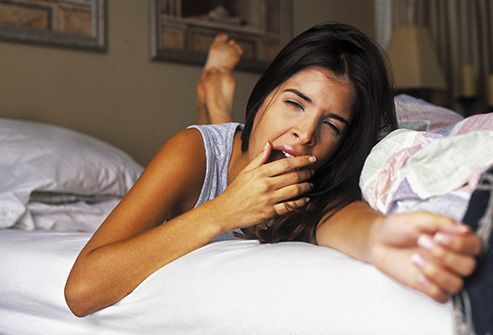
How Your Sleep Position Affects Your
Health ( courtecy; webMD)

1/16
Strike Your Sleep Pose
You turn off the lights
and get yourself ready to snooze. Are you on your back, side, or stomach? Your
sleep position can be linked to things like back pain, snoring, and how often
you wake up during the night. It may even say some things about your personality.

1/16
On Your Belly
Are you a tummy sleeper?
If so, do you have problems sleeping? Your slumber pose may not be helping.
You’re more likely to be restless and toss and turn to get comfortable when you
sleep on your belly. It can strain your neck and your lower back, too. If this
is how you like to sleep, you may want to use a very soft pillow or none at all
to keep your neck comfortable.

1/16
Belly Position: Freefall
About 7% of the
population sleeps this way. You lie on your belly with your arms around a
pillow and your head turned sideways. If this is your favorite sleep position,
some research suggests you may be more likely to speak your mind and be
sociable and outgoing. You also may not be very open to criticism.

1/16
Back Sleeping
This position can cause
low back pain for some people. And if you already have that, it can make it
worse. If you snore or have sleep apnea, it can make those bigger problems,
too. If you have one of these issues and can't get comfortable another way,
talk to your doctor about what might help.

1/16
Back Position: Soldier
This position is favored
by about 8% of the population. You sleep with your arms down and close to your
body. Some research suggests you may be more likely to be quiet and keep to
yourself. You also may expect a lot from yourself and from others.

1/16
Back Position: Starfish
Only about 5% of people
sleep this way. You lie on your back with your arms up near your head.
According to some studies, you may be more likely to be a good listener and not
want to be the center of attention.

1/16
Side Sleeping
There are many ways to
sleep on your side, but the most comfortable is with your knees bent
slightly toward your chest -- the fetal position.

1/16
Side Position: Fetal
More than 40% of people
sleep in this curled-up side-sleeping position. It's the most common position
for women -- they’re twice as likely as men to sleep like this. Some research
suggests you may be more likely to be warm, friendly, and sensitive, but you
also may have a protective shell around you.

1/16
Side Position: Log
This is when you sleep
on your side with both arms down. About 15% of people “sleep like a log.” Some
research says you may tend to be social, easygoing, and trusting.

1/16
Side Position: Yearner
About 13% of people
sleep in this side position with their arms out in front of their bodies. If
you sleep like this, some studies say you may be open-minded, but suspicious,
and stubborn about sticking to a decision once you've made it.

1/16
Side Position: Spooning
With your body close to
your partner, you may wake up more often, but cuddling can be good for you. It
makes your body release a chemical called oxytocin that can help lower your
stress, bond you to your partner, and help you get to sleep faster.

1/16
If You Snore
To keep the noise level
down at night, side sleeping is best. If you like to sleep on your back,
stacking up a few pillows may help. See your doctor if your snoring makes you
gasp for breath or feel tired the next day, or if it wakes you (or your partner)
up. Loud snoring can be a sign that you may have sleep apnea -- a condition
that stops and restarts your breathing when you sleep. It can lead to stroke,
high blood pressure, and heart disease.

1/16
If You Have Back Pain
Side sleeping wins for
this, too. To take even more pressure off your hips and back, you can put a
pillow between your legs. If you’re a back sleeper, you might put one under
your knees to keep the natural curve of your back.

1/16
If You’re Pregnant
It’s usually more
comfortable -- and healthier for you and your baby -- if you sleep on your
side. And the left side may be better, because it may get more blood and
nutrients to your baby. If you have back pain, put a pillow under your belly to
support the weight. It can also help to bend your knees and put a pillow
between your legs.

1/16
What About Your Mattress?
A mattress that works
with your sleep style and body type can help with many issues. It should be
firm enough to support your back and sleep position, but soft enough to fit the
shape of your body. This isn’t always easy to figure out. Some stores will let
you test a mattress for several weeks and change it out if it doesn’t work for
you.
This tool does not provide medical advice.
মন্তব্যসমূহ
একটি মন্তব্য পোস্ট করুন