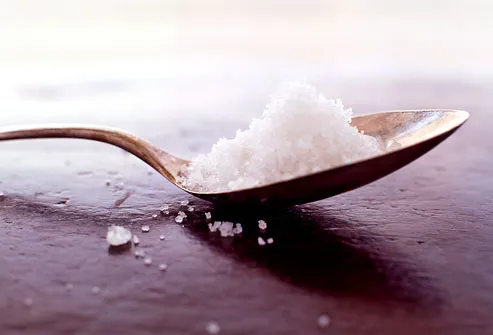
Are You Getting Too Much Salt? B( courtecy; webMD )
Most of us get more than we need.
Recommendations from the American Heart Association and the U.S. government
range from 1,500 to 2,300 milligrams of sodium a day. If you want to cut back,
you need to do more than ease up on the shaker on your table. Watch what you
eat. You may be shocked by some of the foods that are high in salt.

1/25
Frozen Dinners
They're quick. They're easy. And they're
loaded with sodium. A 5-ounce frozen turkey and gravy dinner packs 1,255
milligrams.
Tip: A "lighter" version may have less salt, but it's
no guarantee. Read the labels to be sure. It's possible that
"lighter" refers to fat only.

1/25
Ready-to-Eat Cereals
Check out the nutrition facts label. Some
brands of raisin bran have up to 210 milligrams of sodium in each cup.
Tip: Puffed rice and wheat don't have salt. Mix half of your
favorite cereal with half of a salt-free choice. Or look for companies that
make low-sodium cereals.

1/25
Vegetable Juices
They help you get the 2 to 2.5 cups of veggies
you need a day. But they can have a lot of sodium. One cup of vegetable juice
cocktail has 615 milligrams.
Tip: Shop around. There are low-salt versions.

1/25
Canned Vegetables
They often have preservatives, sauces, or
seasonings that add extra sodium.
Tips: Rinse canned veggies thoroughly, or look for labels that say
"no salt added" or “low sodium." Check the freezer section,
where you may have more luck finding an unsalted choice.

1/25
Packaged Deli Meats
One look at the salt content in packaged meats
should stop you in your tracks. Two slices of dry salami made of beef or pork
can have 362 milligrams of sodium.

1/25
Soup
It's a warm comfort food on a cold day, but
watch out. It can be loaded with salt. A cup of canned chicken noodle soup can
have 831 milligrams of sodium.
Tips: Look for reduced-sodium versions of your favorites. And
always check the label carefully. You might find that one brand's
"Healthy" version actually has less sodium than the "25% Less
Sodium" variety.

1/25
Marinades and Flavorings
Some of your favorites may be super salty. One
tablespoon of teriyaki sauce can have 879 milligrams of sodium. The same amount
of soy sauce may have up to 1,005 milligrams.
Tips: Even "lower-sodium" soy sauce can have a lot, so
use it sparingly. Go for vinegar and lemon juice for flavor, since they
naturally have less salt. Try orange or pineapple juice as a base for meat
marinades.

1/25
Spaghetti Sauce
Half a cup may have 577 milligrams of sodium,
and that's barely enough to coat a helping of pasta.
Tip: Look for "no salt added" versions.

1/25
Spicing It Up
Adding spices to an entrée can be an easy way
to forgo the salt shaker. Just make sure there's no hidden sodium in your
selection. For example, canned jalapeno peppers (1/4 cup, solids and liquids)
have about 434 milligrams of sodium.
Tips: Go for the pepper in its natural form to ditch the sodium
used in processing. Or use herbs and salt-free spices instead.

1/25
Aw, Nuts!
Rethink those salty peanuts. An ounce of most
dry-roasted brands have 116 milligrams of sodium.
Tips: For about the same amount of calories, an ounce of
oil-roasted, salted peanuts has only 76 milligrams of sodium. Or better yet,
buy the unsalted variety, which are practically sodium-free.

1/25
Salty Snacks
They're hard to resist, but they may have a
lot of sodium. Potato chips have 136 milligrams per ounce, cheese puffs 263
milligrams per ounce, and pretzels 352 milligrams per ounce.
Tip: Even "baked" or fat-free snacks can have the
same amount of sodium or more, so check the label.

1/25
Prepackaged Foods
Rice, potatoes, and pasta in their natural
forms are low in salt. But if you get the convenient "all-in-one" box
and add the flavor packet, you may end up eating more than half of your daily
allowance of sodium in just one serving.
Tips: Choose a plain, fast-cooking rice and add your own
seasonings. Or microwave potatoes to serve with your choice of fixings.

1/25
Condiments Count
If you think those little extras you add to
your food aren't a source of salt, think again.
·
Ketchup (1 tablespoon)
= 154 milligrams
·
Sweet relish (1
tablespoon) = 122 milligrams
·
Capers (1 tablespoon)
= 202 milligrams (drained)
Tip: Go for low- or sodium-free versions. Or get creative with
substitutions: Try cranberry relish or apple butter for a naturally lower-salt
choice.

1/25
Watch Serving Sizes
The amount of sodium you see on a nutrition
label isn't for the whole package. It's for one serving. Check to see how many
are in each container.

1/25
Food Label Claims
They can be confusing, but you can figure them
out with this cheat sheet:
·
Sodium-free: Less than
5 milligrams a serving
·
Very low-sodium: 35
milligrams or less per serving
·
Low-sodium: Less than
140 milligrams per serving
·
Reduced sodium:
25% less sodium
·
Unsalted, no salt
added, or without added salt: Made without the salt normally used, but still
has the sodium that's a natural part of the food itself.

1/25
What's in a Name?
When you're scanning a food label, don't just
look for the word "salt." Watch out for various forms of sodium or
other names for the same thing:
·
Sodium alginate
·
Sodium ascorbate
·
Sodium bicarbonate
(baking soda)
·
Sodium benzoate
·
Sodium caseinate
·
Sodium chloride
·
Sodium citrate
·
Sodium hydroxide
·
Sodium saccharin
·
Sodium stearoyl
lactylate
·
Sodium sulfite
·
Disodium phosphate
·
Monosodium glutamate
(MSG)
·
Trisodium phosphate
·
Na

1/25
Check Your Medicine Cabinet
Surprise! Some headache and heartburn
medications have sodium carbonate or bicarbonate. Read the ingredient list and
warning statement to be sure.

1/25
Restaurant Pitfalls
When you eat out, some menu choices can be a
huge source of hidden salt. Soups, appetizers with cheese or meat, casseroles,
and rice pilaf are some dishes to watch out for. If you ask, most restaurants
will prepare your food without added salt.

1/25
Better Choices
Fish can be a lower-sodium option, as long as
you pay attention to how it's seasoned. Steamed veggies, prepared without salt,
are another smart choice. Also, try a salad with dressing on the side. Low-sodium
desserts include fruit, ice cream, sherbet, or angel food cake.

1/25
Dining Out 'Dos'
·
Ask how the cook
prepares your meal.
·
Choose a restaurant
where dishes are made to order.
·
Ask the chef to make
your dish without any type of sodium, then add a dash of salt-free seasoning
from home, or a squeeze of lemon or lime.

1/25
When You're Eating Fast Food
Try these helpful tips:
·
Get rid of the
toppings except for veggies like lettuce and tomatoes.
·
Skip the cheese, go
easy on condiments, and don't add salt.
·
Don't supersize. Order
off the children's menu for smaller portions.
·
Eat a low-sodium diet
for the rest of the day.
·
Ask for a nutrition
fact sheet at the restaurant, or find it online before you go, to help you make
the best possible low-sodium choices.

1/25
Who Should Go Low-Sodium?
U.S. guidelines call for about half of
Americans to limit sodium to 1,500 milligrams or less per day, including:
·
People ages 51 and
older
·
African-Americans
·
People with high blood
pressure, diabetes, or long-term kidney disease
Cutting back on salt can cut blood pressure in
some people. It can help lower the risk of heart disease, stroke, and kidney
damage in those who have high blood pressure.

1/25
Track Your Salt
Don't know how much you get every day? Keep a
daily tally of what you eat and drink. Then look up how much sodium is in each
item. You may be surprised at what you find. The average American takes in
3,592 milligrams of sodium each day, well above the limits recommended for good
health
This tool does not provide medical advice
মন্তব্যসমূহ
একটি মন্তব্য পোস্ট করুন